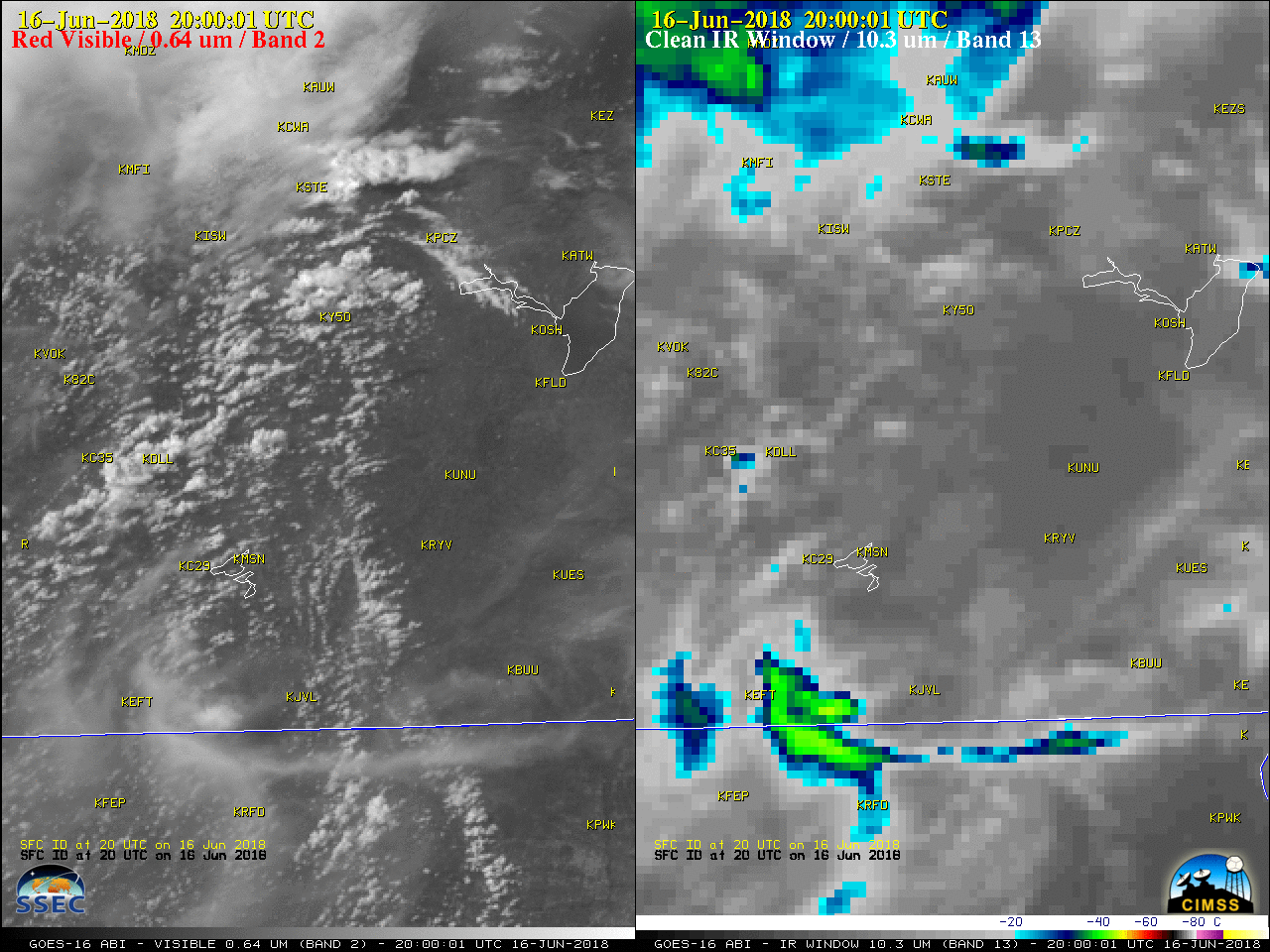

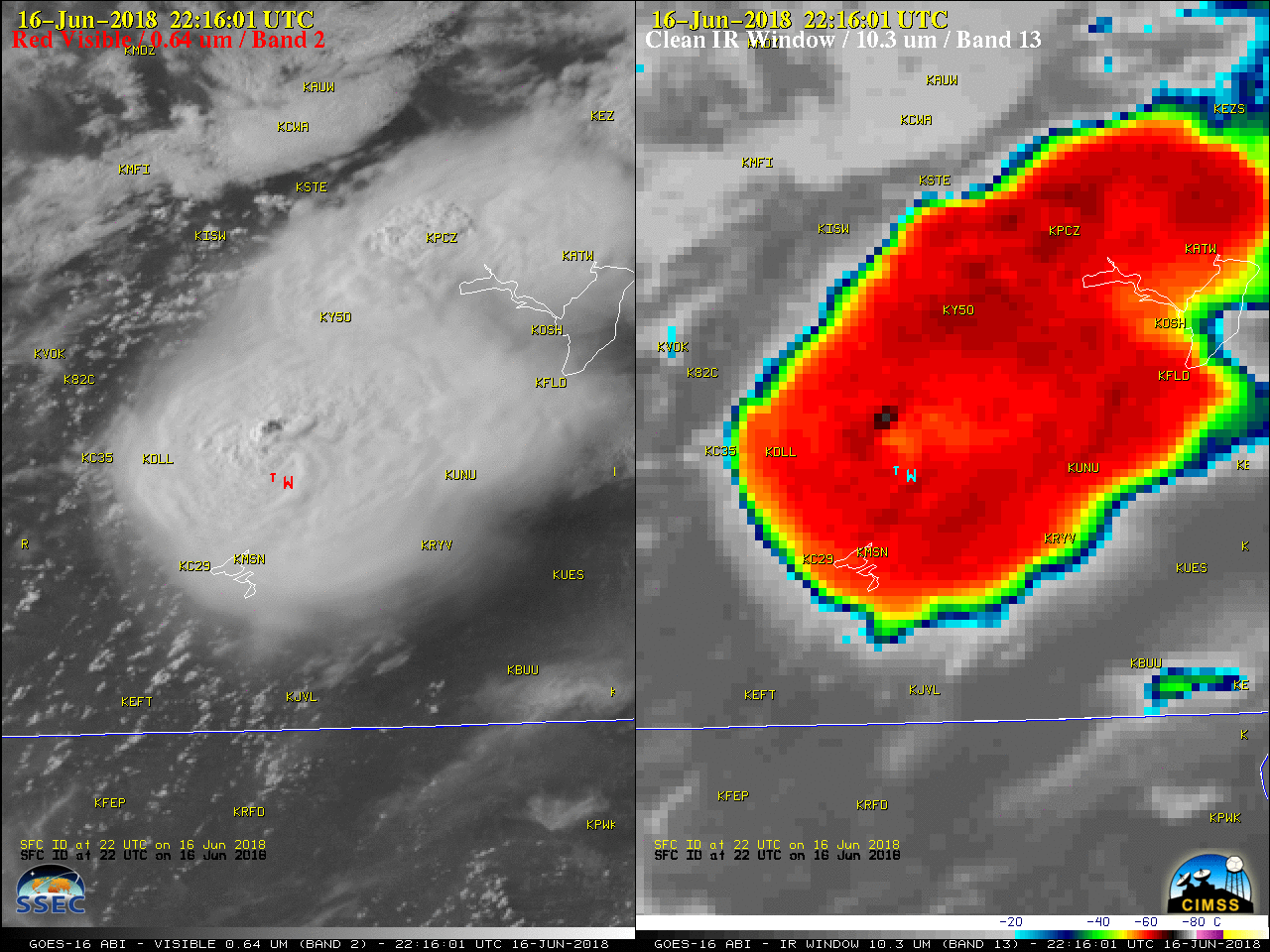
GOES-16 “Red” Visible (0.64 µm, left) and “Clean” Infrared Window (10.3 µm, right) images, with SPC storm reports plotted in red/cyan and surface station identifiers plotted in yellow [click to play MP4 animation]
View only this post Read Less
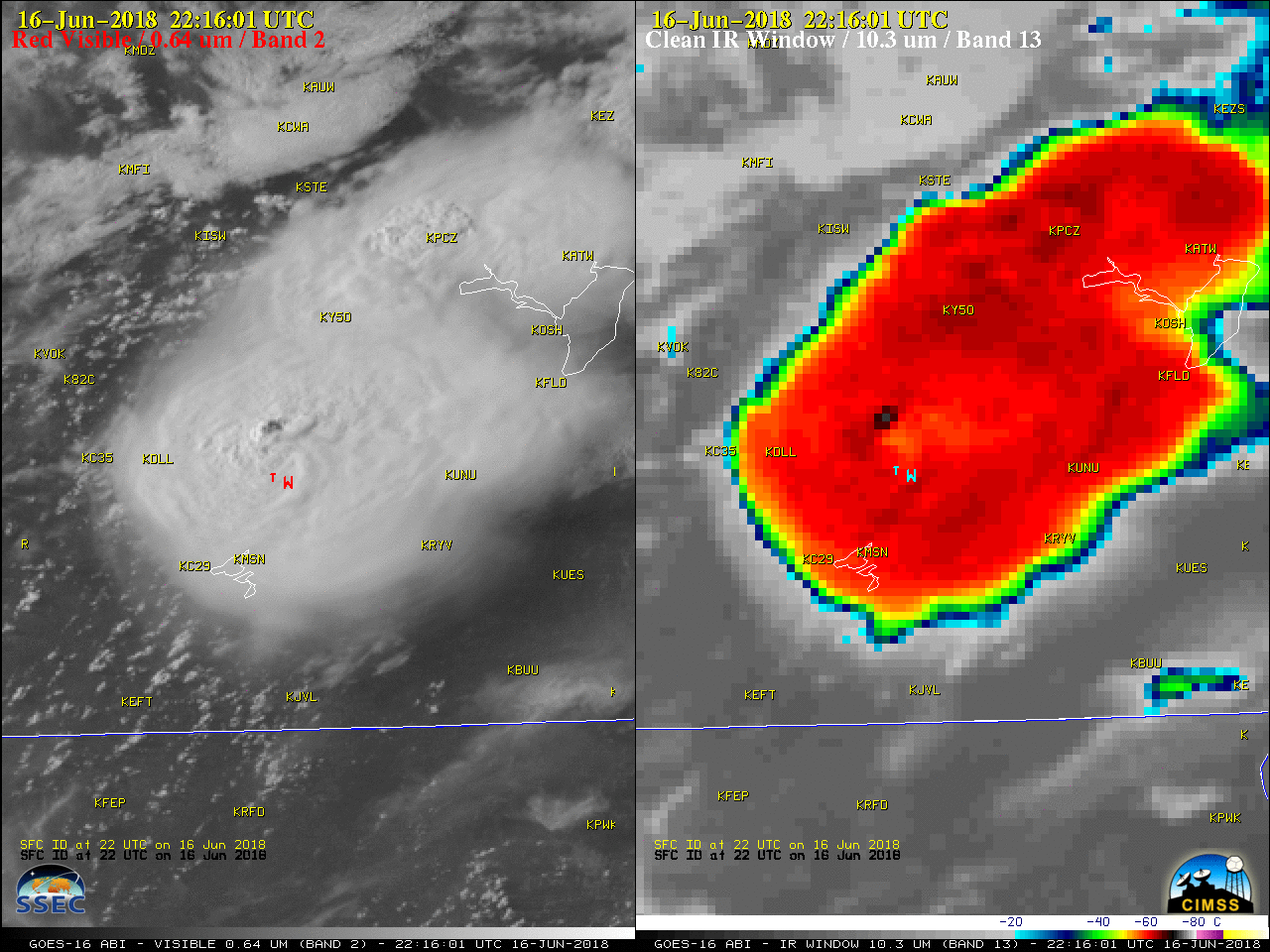
1-minute Mesoscale Domain Sector GOES-16 (GOES-East) “Red” Visible (0.64 µm) and “Clean” Infrared Window (10.3 µm) images (above) showed the development of thunderstorms over southern Wisconsin during the afternoon and evening hours on 16 June 2018. There were reports of hail, damaging winds and 1 brief tornado (SPC storm reports | NWS MKX summary). The pulsing of short-lived overshooting tops... Read More
GOES-16 “Red” Visible (0.64 µm, left) and “Clean” Infrared Window (10.3 µm, right) images, with SPC storm reports plotted in red/cyan and surface station identifiers plotted in yellow [click to play MP4 animation]
View only this post Read Less
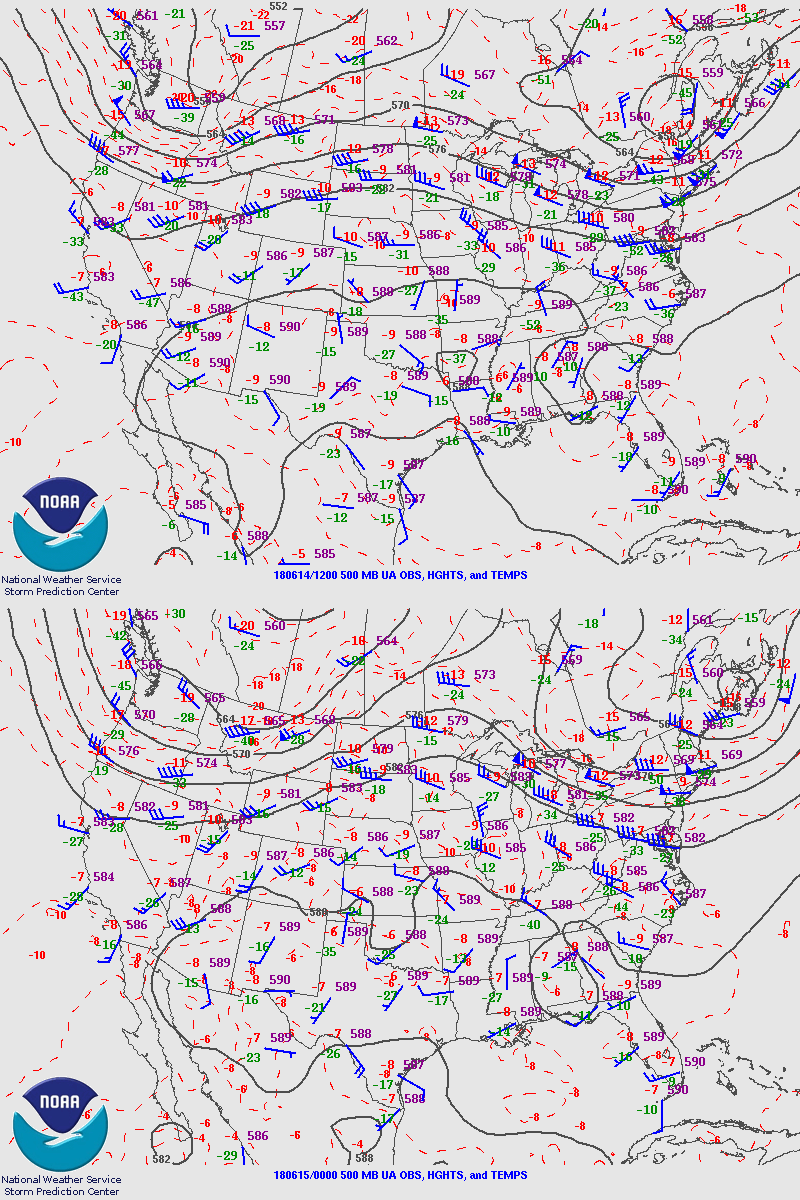
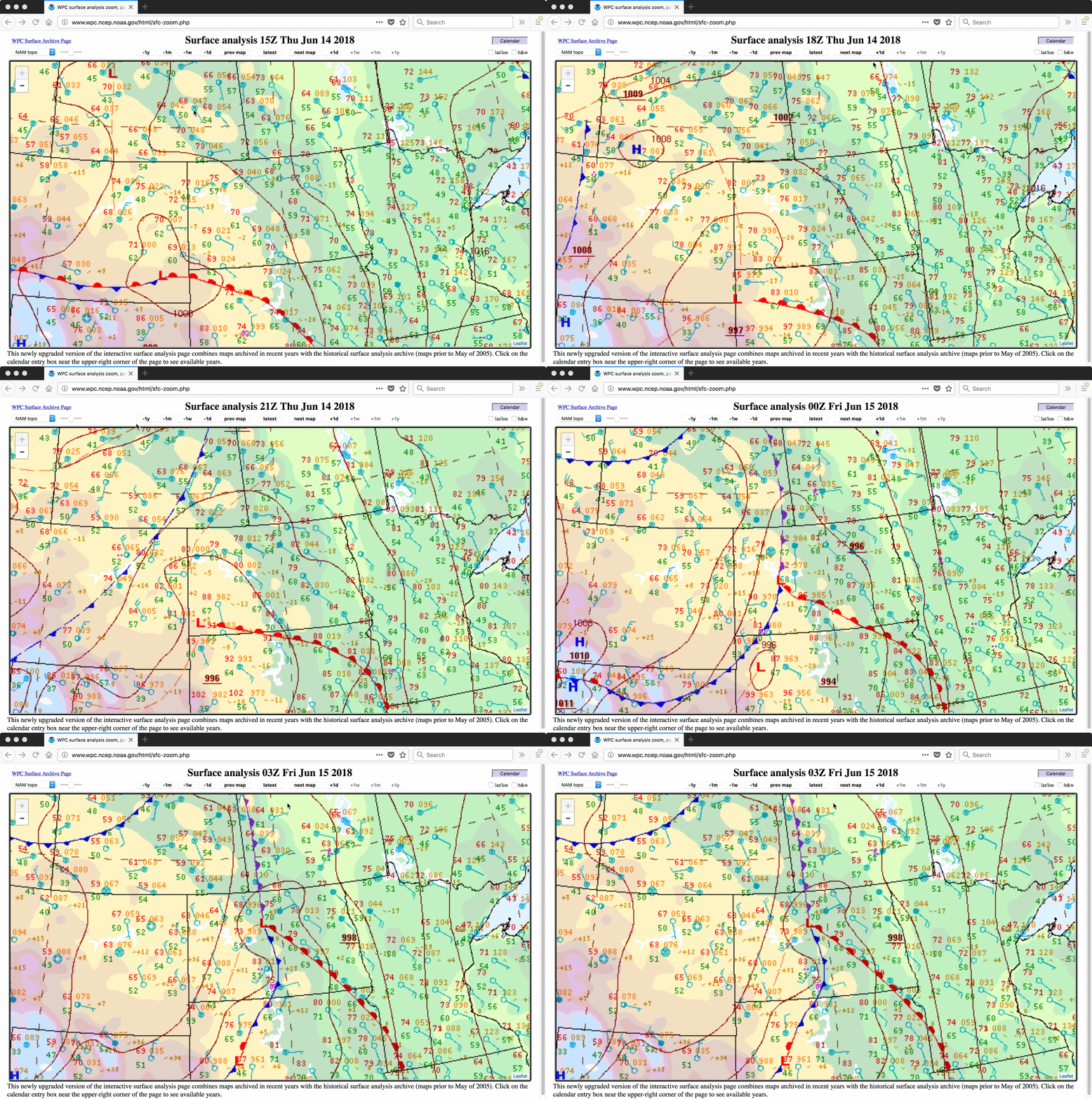
GOES-16 (GOES-East) Mid-level Water Vapor (6.9 µm) images (above) revealed the circulation of a shortwave aloft (500 hPa analyses) that was moving from the northern Rockies to the southern Canadian Prairie Provinces on 14 June 2018. The approach of this shortwave was helping to enhance large-scale forcing for ascent, as an occluded surface low developed... Read More
![GOES-16 Mid-level Water Vapor (6.9 µm) images, with SPC storm reports plotted in red [click to play MP4 animation]](https://cimss.ssec.wisc.edu/satellite-blog/wp-content/uploads/sites/5/2018/06/G16_WV9_NCUS_14JUN2018_960x1280_B9_2018166_023722_0001PANEL_00176.GIF)
GOES-16 Mid-level Water Vapor (6.9 µm) images, with SPC storm reports plotted in red [click to play MP4 animation]
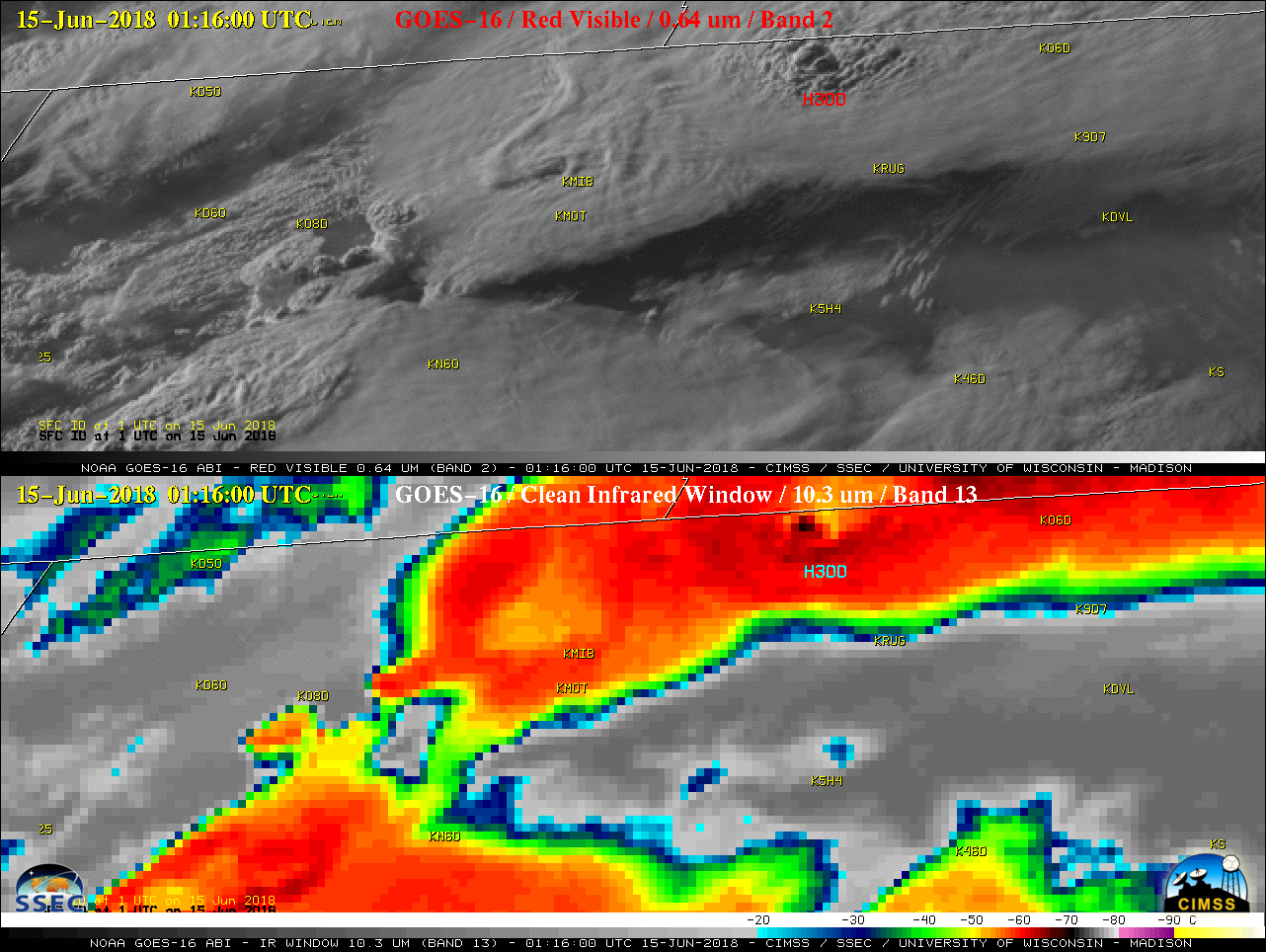
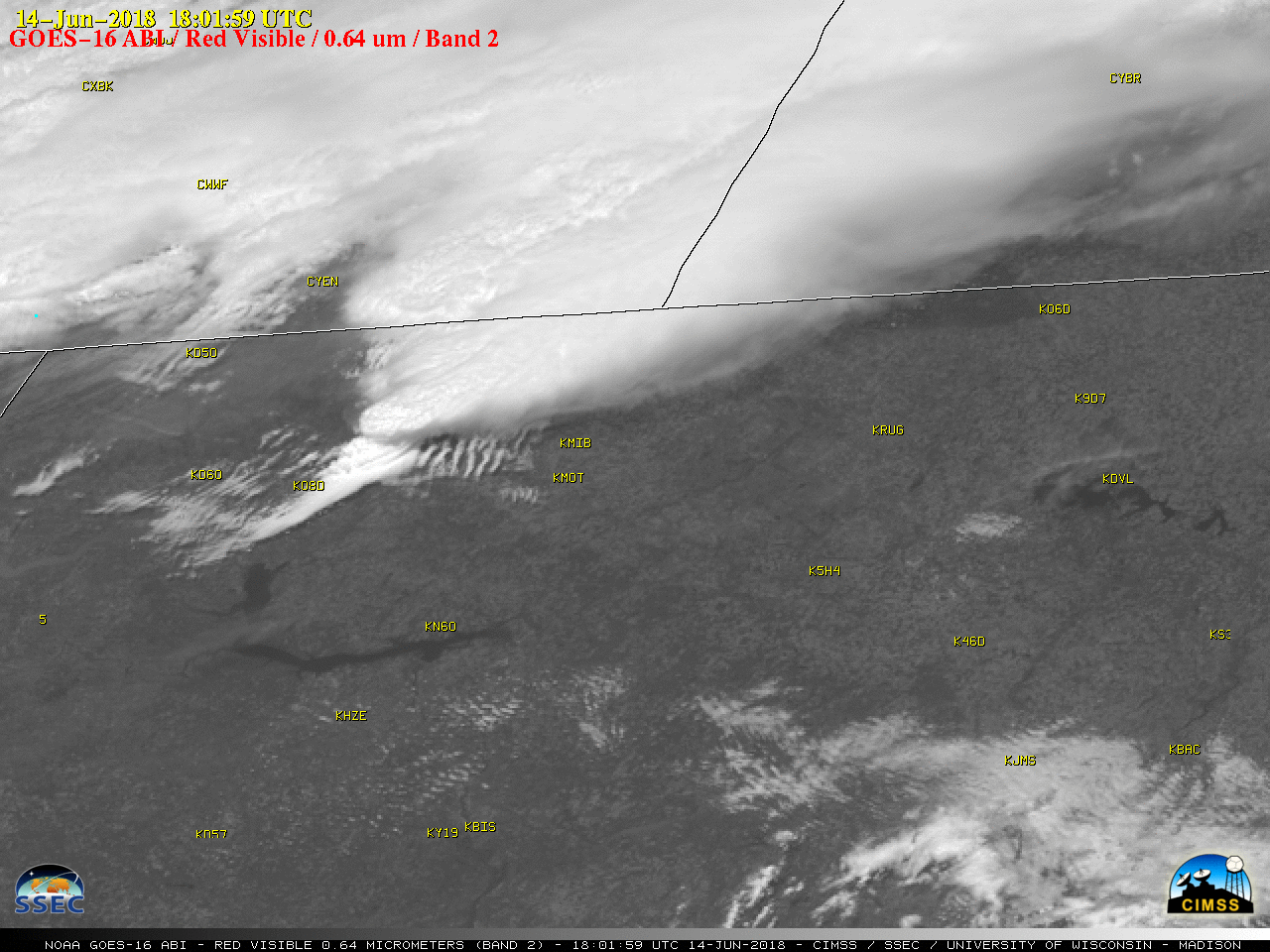
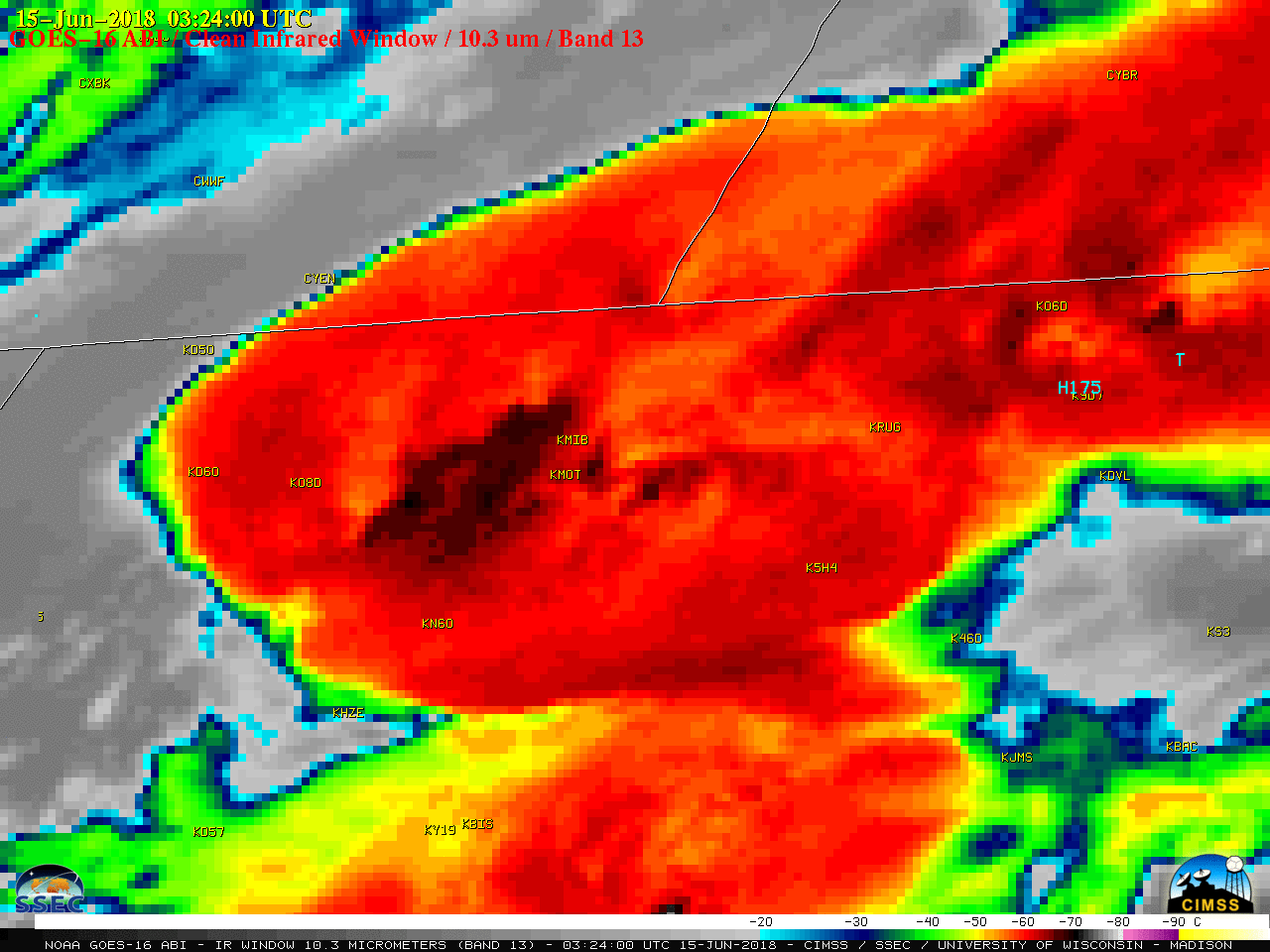
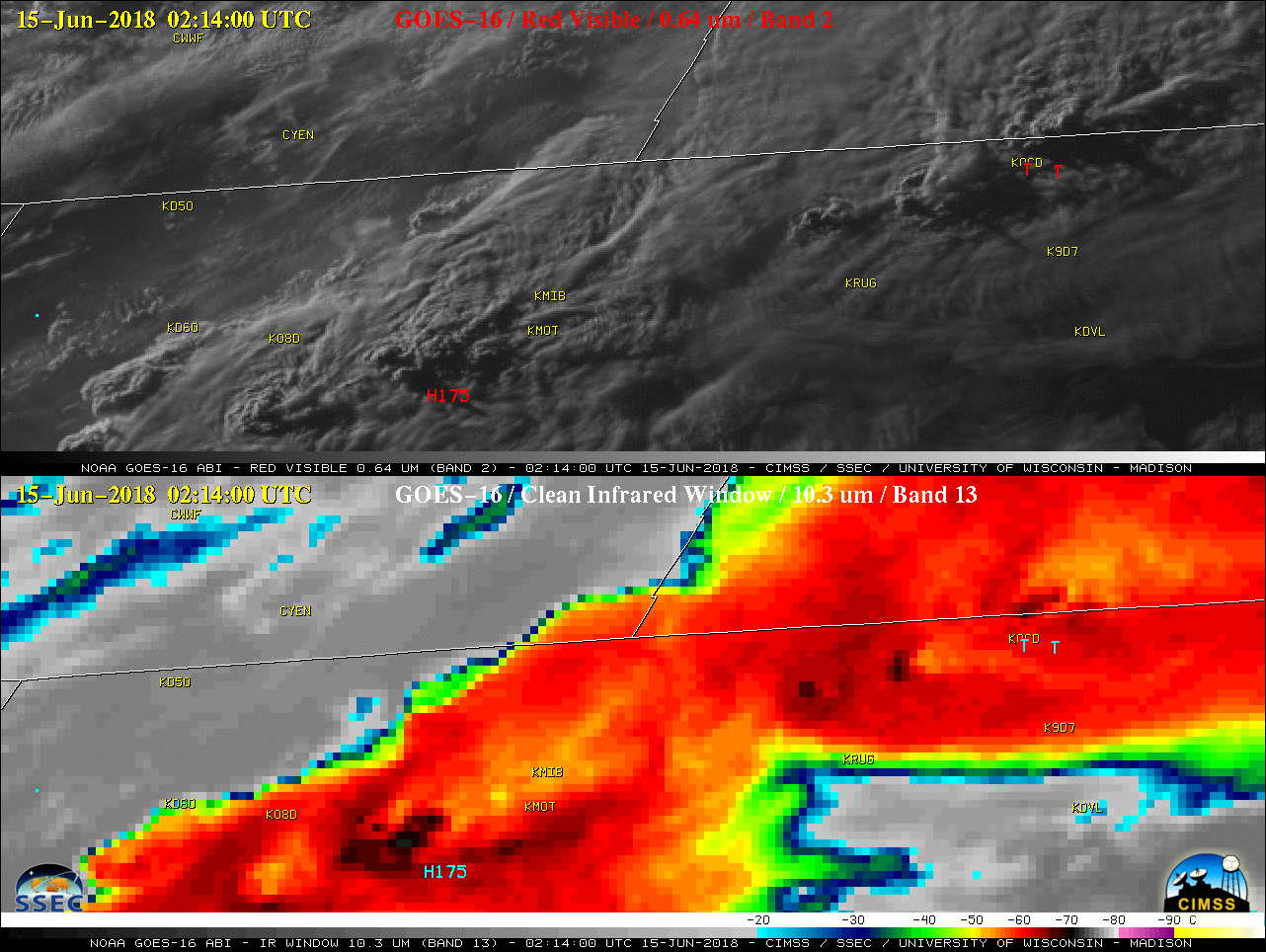
A Mesoscale Domain Sector was positioned over that region, providing images at 1-minute intervals; a comparison of “Red” Visible (0.64 µm) and “Clean” Infrared Window (10.3 µm) images (below) showed the development of this severe convection, which produced hail as large as 3.0 inches in diameter and 4 tornadoes (NWS Bismarck | NWS Grand Forks). The images include plots of SPC storm reports — just across the US/Canada border, storm reports in southern Saskatchewan/Manitoba can be seen here. Some of these storms exhibited very high radar reflectivity values, as shown here and here.
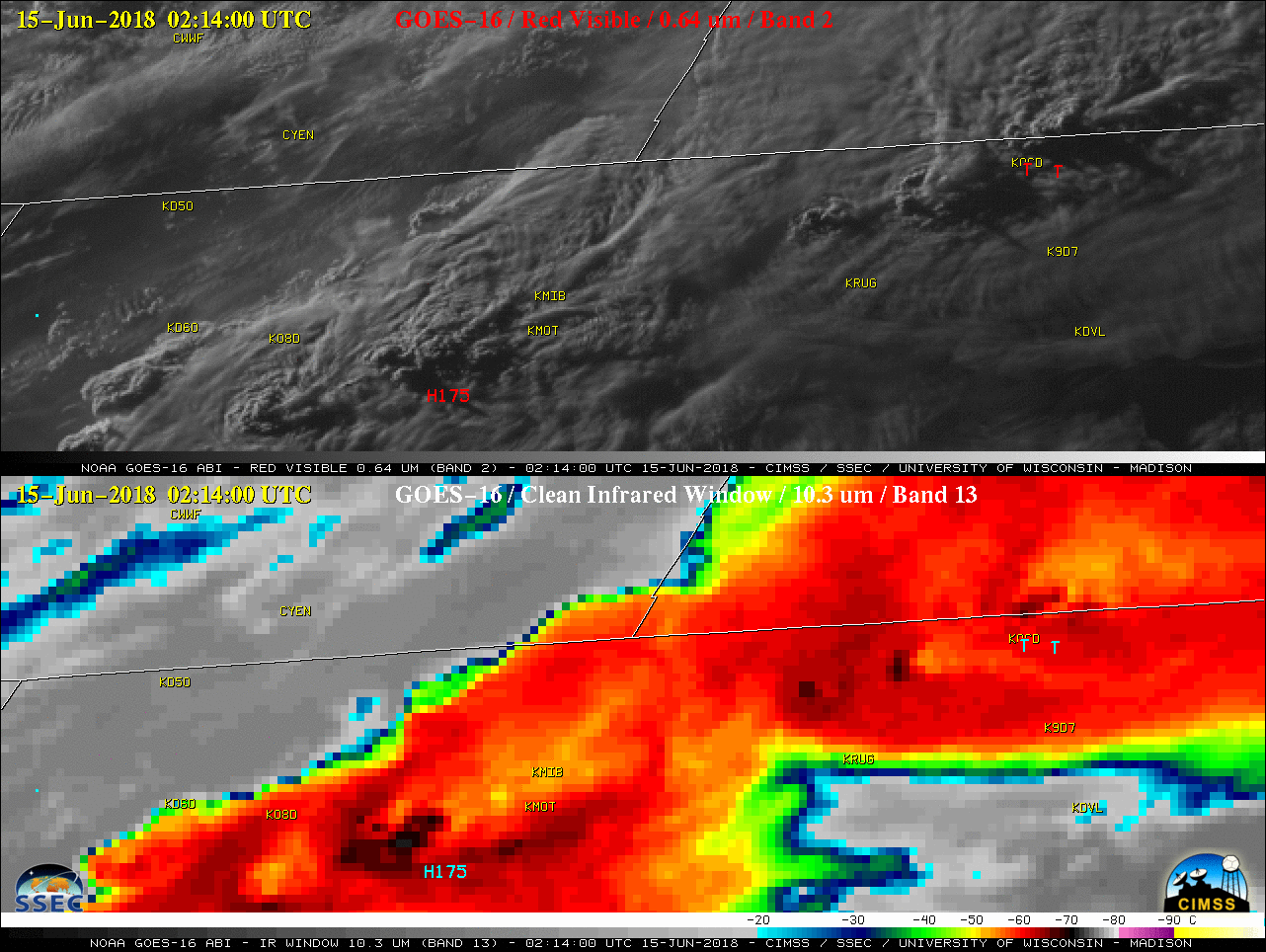
1-minute GOES-16 “Red” Visible (0.64 µm, top) and “Clean” Infrared Window (10.3 µm, bottom) images, with SPC storm reports plotted in red/cyan [click to play MP4 animation]
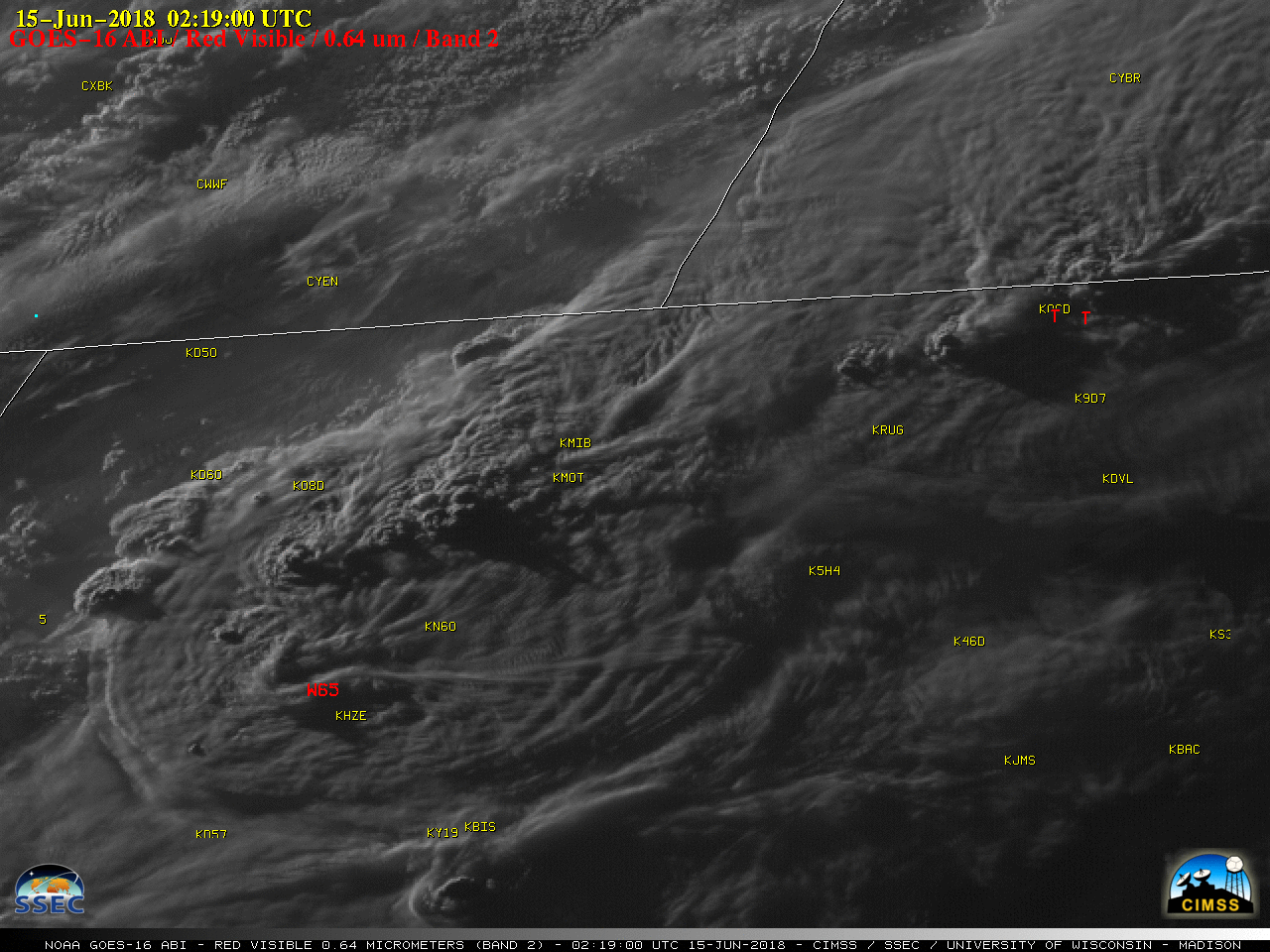
1-minute GOES-16 “Red” Visible (0.64 µm) images, with SPC storm reports plotted in red [click to play MP4 animation]
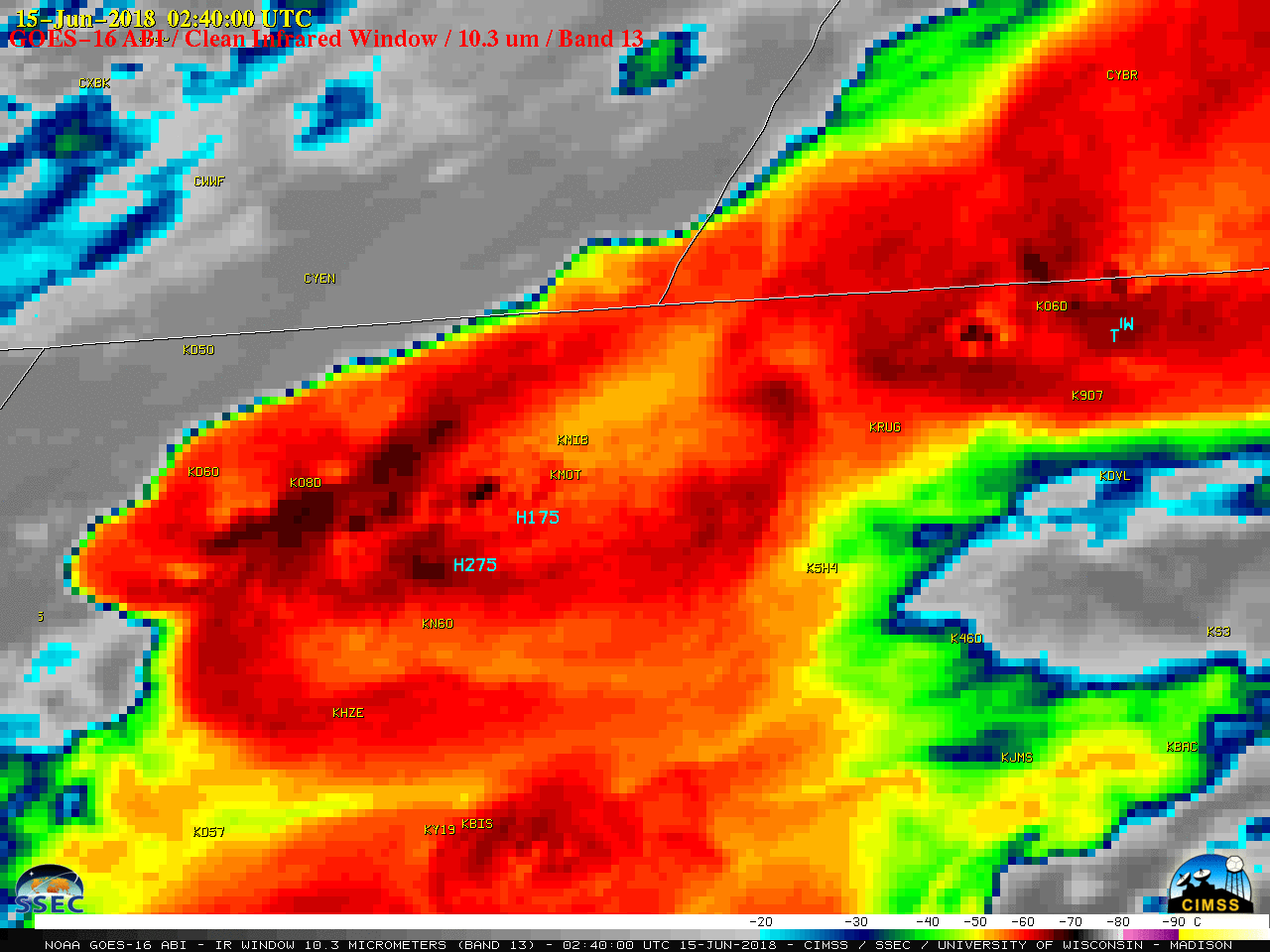
1-minute GOES-16 “Clean” Infrared Window (10.3 µm) images, with SPC storm reports plotted in cyan [click to play MP4 animation]
View only this post Read Less
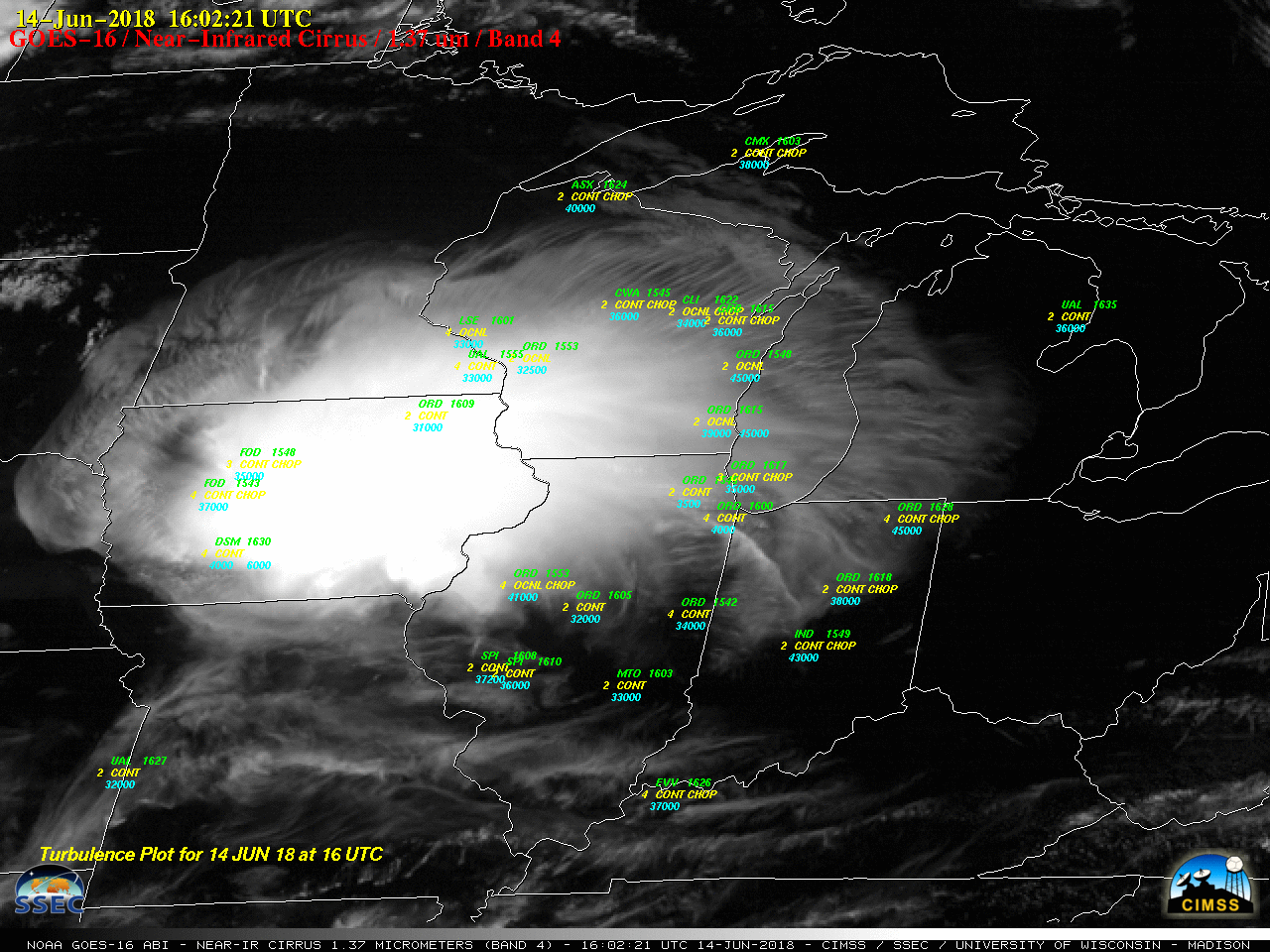
A comparison of Aqua MODIS Visible (0.65 µm), Near-Infrared “Cirrus” (1.37 µm), Water Vapor (6.7 µm) and Infrared Window (11.0 µm) images (above) showed widespread transverse banding along the northern and eastern periphery of a decaying Mesoscale Convective System (MCS) that was moving from Iowa into Illinois and Missouri on... Read More

Aqua MODIS Visible (0.65 µm), Near-Infrared “Cirrus” (1.37 µm), Water Vapor (6.7 µm) and Infrared Window (11.0 µm) images, with pilot reports of turbulence plotted in cyan [click to enlarge]
GOES-16 (GOES-East) Near-Infrared “Cirrus” (1.37 µm), Mid-level Water Vapor (6.9 µm) and “Clean” Infrared Window (10.3 µm) images with pilot reports of turbulence are shown below.
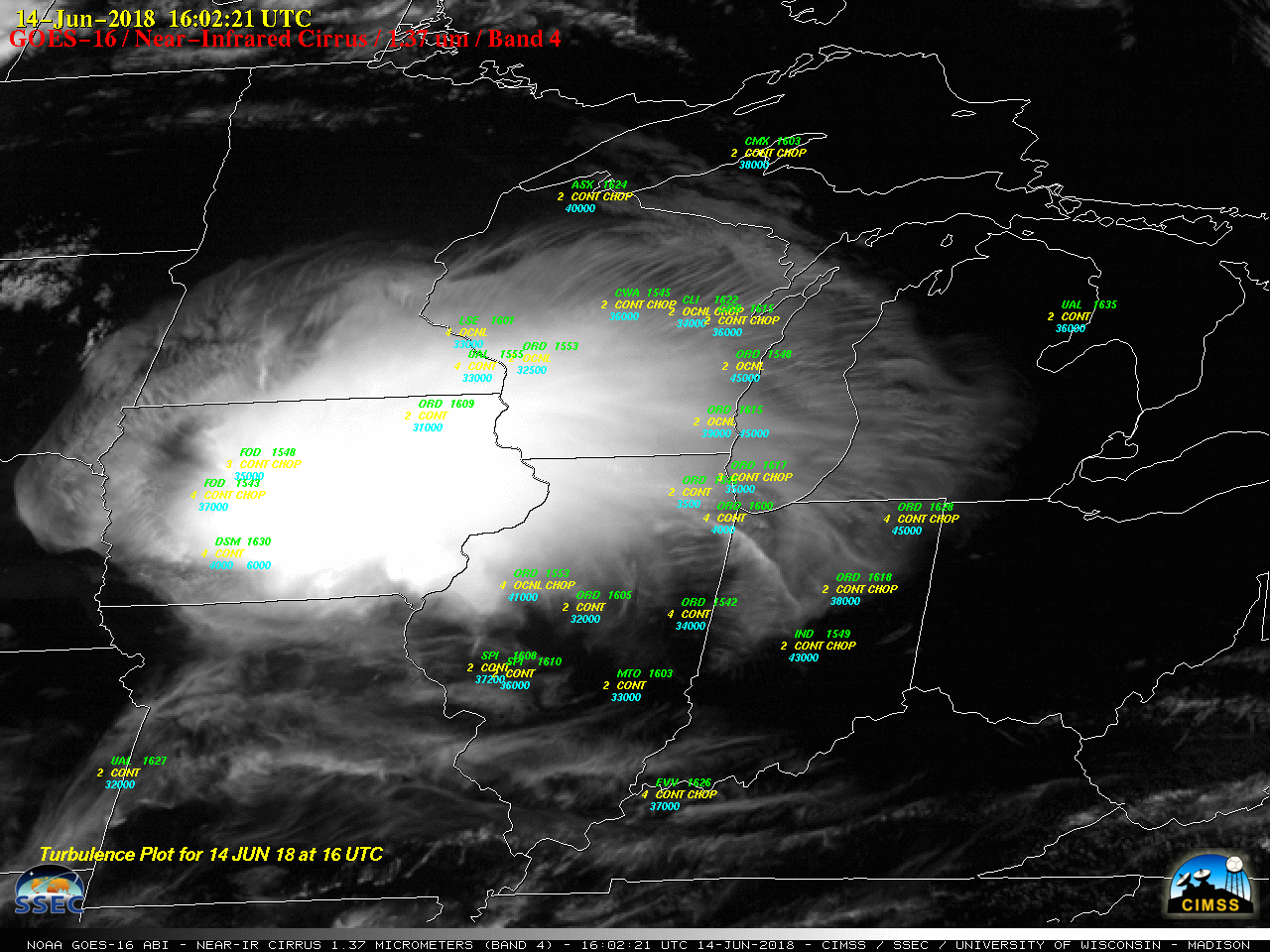
GOES-16 Near-Infrared “Cirrus” (1.37 µm) images, with hourly plots of turbulence [click to play MP4 animation]
![GOES-16 Mid-level Water Vapor (6.9 µm) images, with hourly plots of turbulence [click to play MP4 animation]](https://cimss.ssec.wisc.edu/satellite-blog/wp-content/uploads/sites/5/2018/06/G16_WV_MIDWEST_TURB_14JUN2018_960x1280_B9_2018165_160221_0001PANEL_00049.GIF)
GOES-16 Mid-level Water Vapor (6.9 µm) images, with hourly plots of turbulence [click to play MP4 animation]
![GOES-16 "Clean" Infrared Window (10.3 µm) images, with hourly plots of turbulence [click to play MP4 animation]](https://cimss.ssec.wisc.edu/satellite-blog/wp-content/uploads/sites/5/2018/06/G16_IR_MIDWEST_TURB_14JUN2018_960x1280_B13_2018165_160221_0001PANEL_00049.GIF)
GOES-16 “Clean” Infrared Window (10.3 µm) images, with hourly plots of turbulence [click to play MP4 animation]
View only this post Read Less
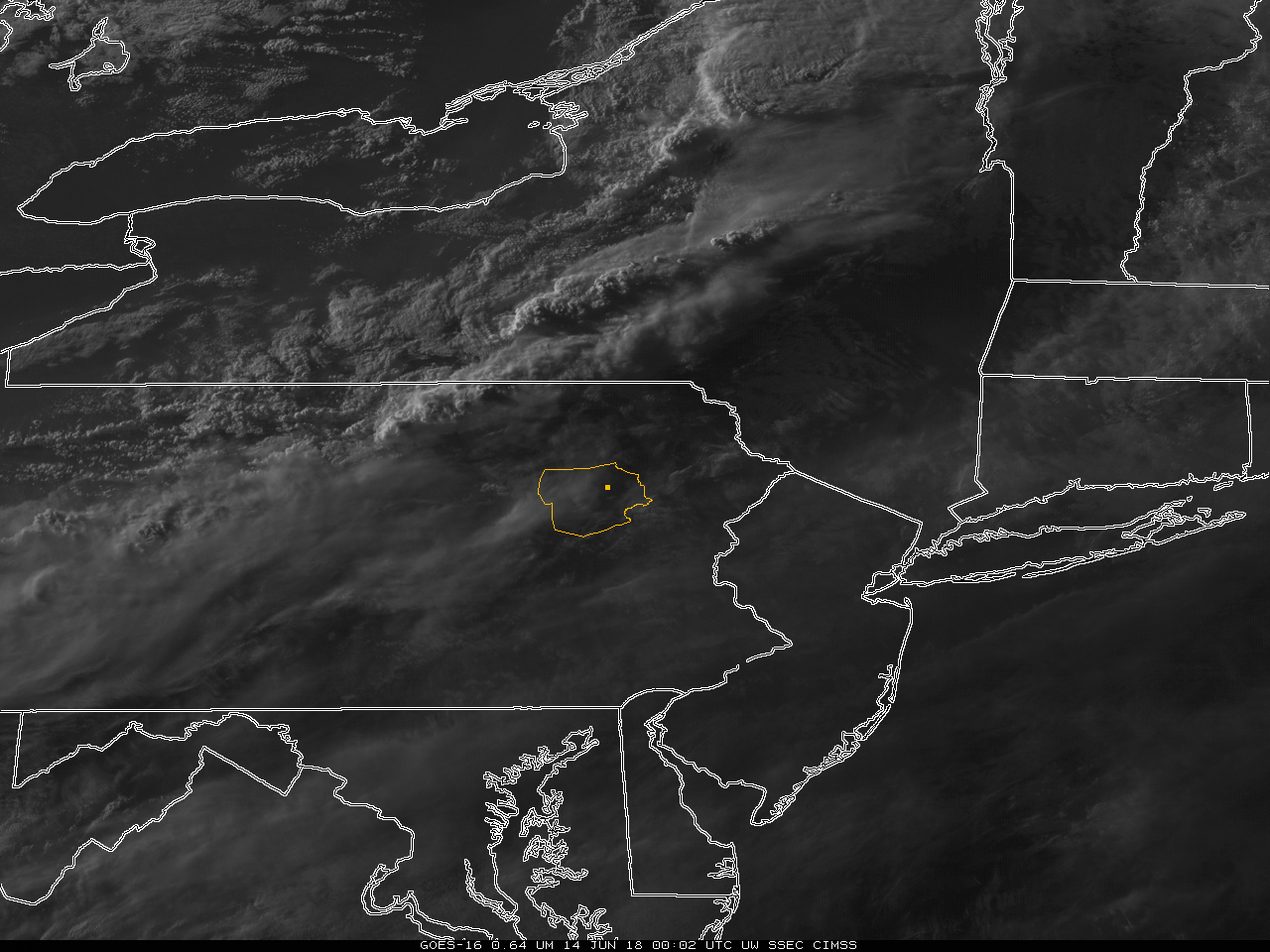
A confirmed tornado struck Wilkes-Barre in Luzerne County in northeastern Pennsylvania shortly after sunset on 13 June 2018 (at about 0215 UTC). Visible imagery, above, shows the line of thunderstorms approaching the region before sunset. This video, from Citizens Voice Reporter Nico Rossi, shows some of the damage.NOAA/CIMSS ProbTor captured the tornadic cell very well... Read More
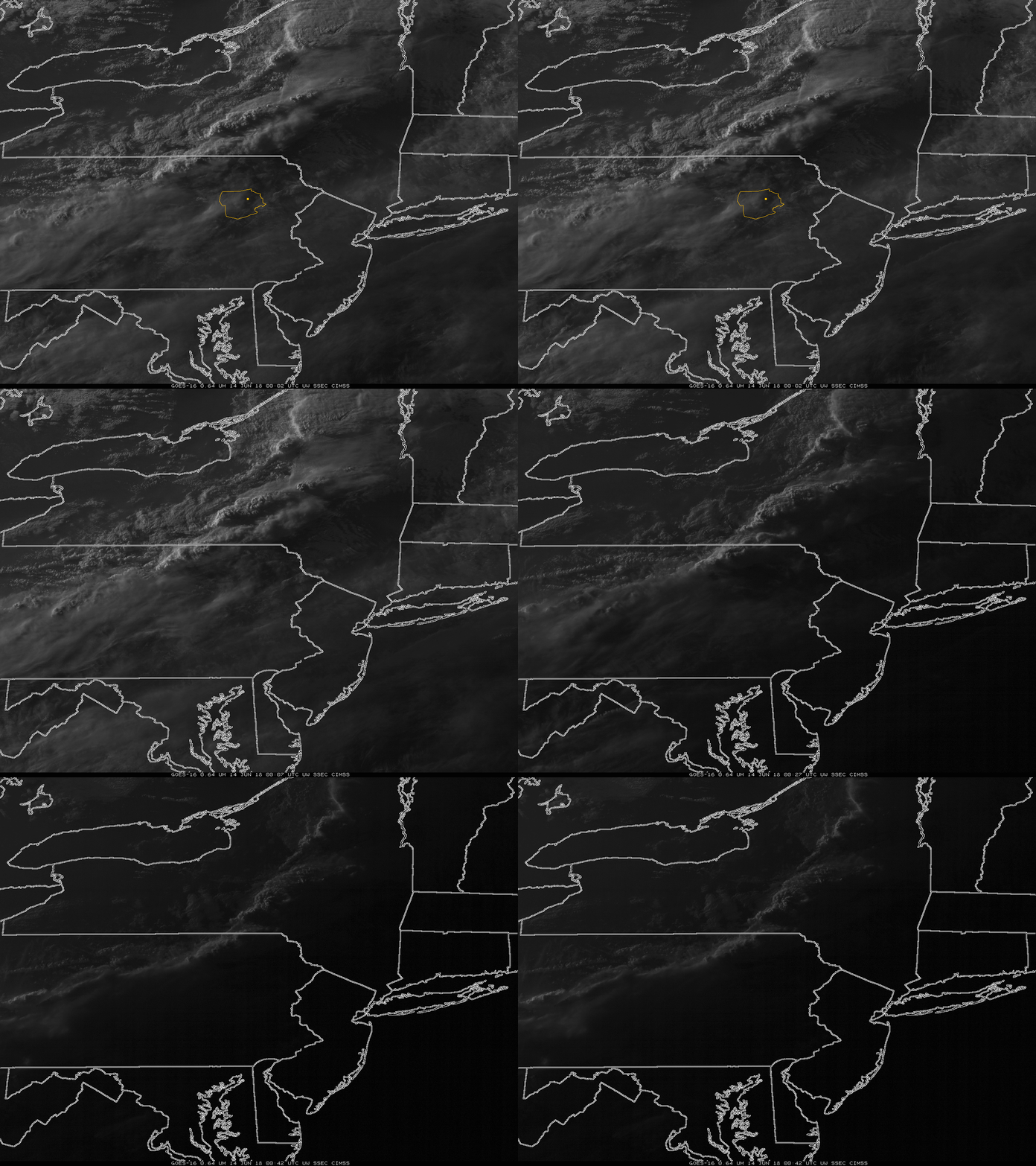
GOES-16 ABI Band 2 (Red Visible, 0.64 µm) over northeastern Pennsylvania. Luzerne County is outlined in Yellow, and Wilkes-Barre’s location is highlighted as a yellow box (Click to animate)
A confirmed tornado struck Wilkes-Barre in Luzerne County in northeastern Pennsylvania shortly after sunset on 13 June 2018 (at about 0215 UTC). Visible imagery, above, shows the line of thunderstorms approaching the region before sunset. This video, from Citizens Voice Reporter Nico Rossi, shows some of the damage.
NOAA/CIMSS ProbTor captured the tornadic cell very well (Click this link for a discussion that includes infrared satellite animations). Click here for real-time access to ProbTor.
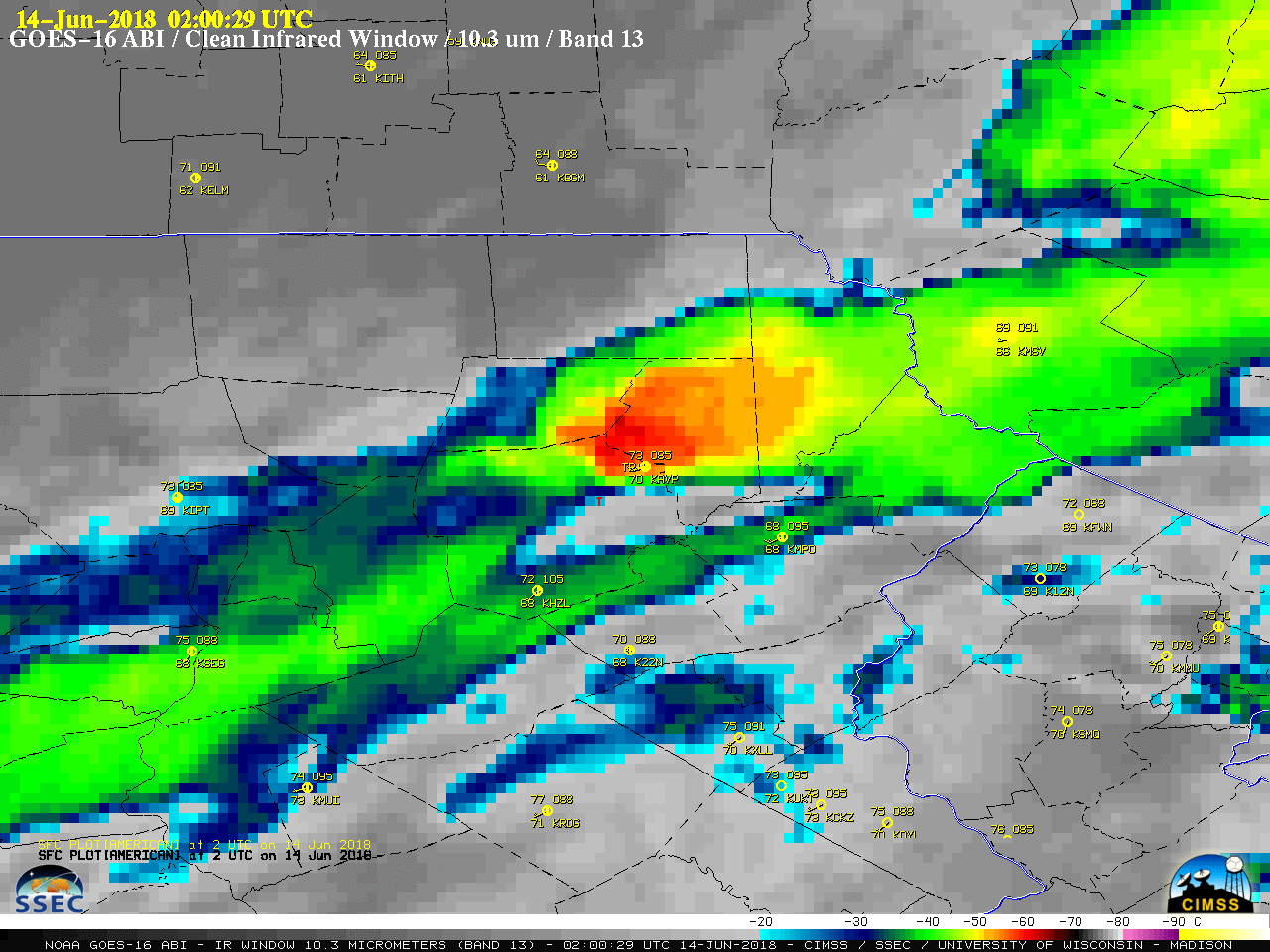
1-minute Mesoscale Sector GOES-16 Band 13 (Clean Infrared Window, 10.3 µm) images with plots of SPC storm reports are shown below. The Wilkes-Barre PA tornado is plotted as a red T on the 0200 UTC image.
![GOES-16 Band 13 (Clean Infrared Window, 10.3 µm) images, with SPC storm reports plotted in red [click to animate]](https://cimss.ssec.wisc.edu/satellite-blog/wp-content/uploads/sites/5/2018/06/180613_goes16_infrared_spc_storm_reports_PA_svr_anim.gif)
GOES-16 Band 13 (Clean Infrared Window, 10.3 µm) images, with SPC storm reports plotted in red [click to animate]
![Terra MODIS Band 31 (Infrared Window, 11.0 µm) image, with plots of cumulative SPC storm reports and the 03 UTC position of the surface cold front [click to enlarge]](https://cimss.ssec.wisc.edu/satellite-blog/wp-content/uploads/sites/5/2018/06/MODIS_IR_20180614_0221.png)
Terra MODIS Band 31 (Infrared Window, 11.0 µm) image, with plots of cumulative SPC storm reports and the 03 UTC position of the surface cold front [click to enlarge]
View only this post Read Less