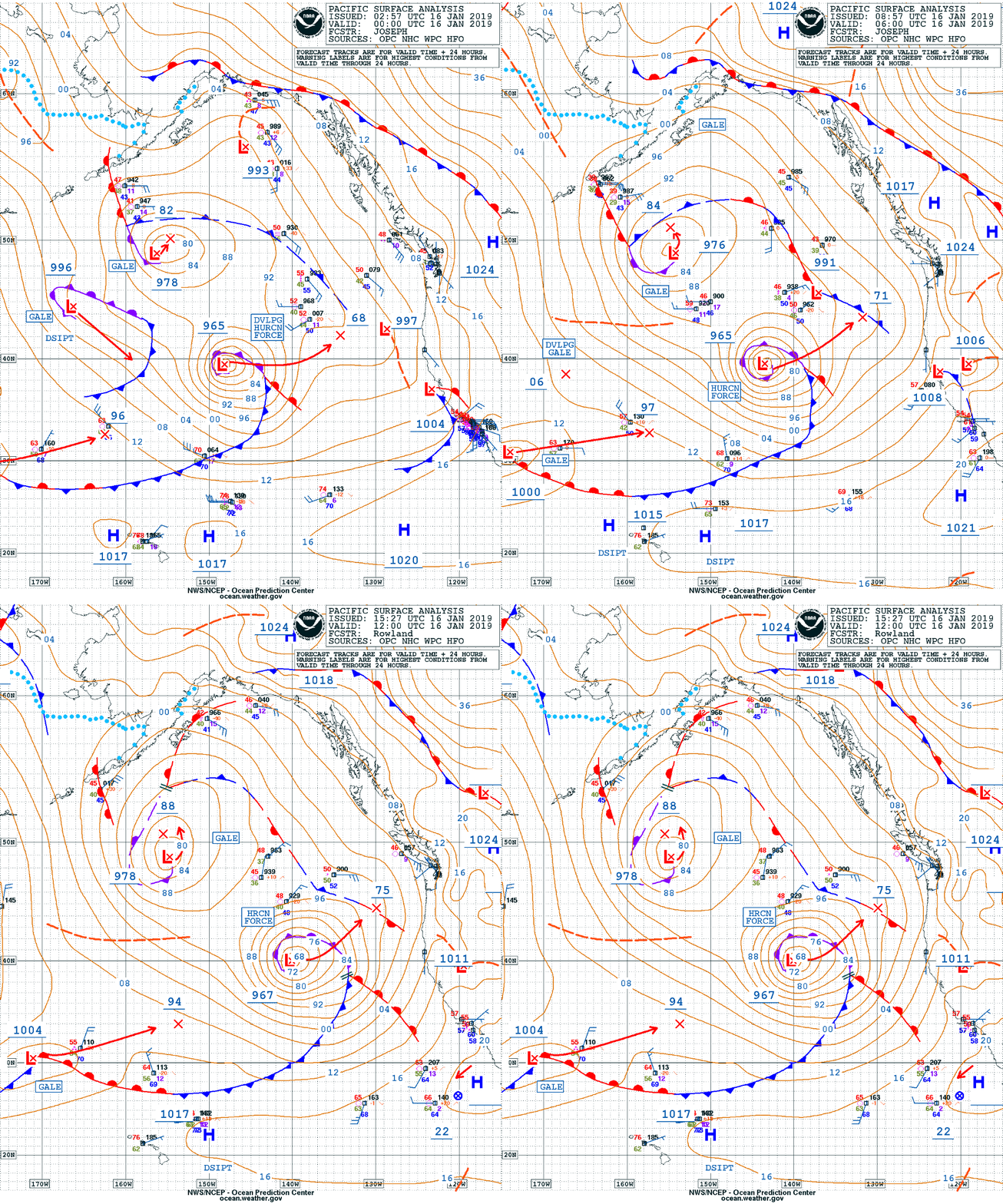
* GOES-17 images shown here are preliminary and non-operational *An 1802 UTC GOES-17 “Red” Visible (0.64 µm) image with an overlay of the 12 UTC surface analysis (above) revealed a well-defined rope cloud which stretched for nearly 1000 miles, marking the cold front position at the time of the image. Rope clouds... Read More
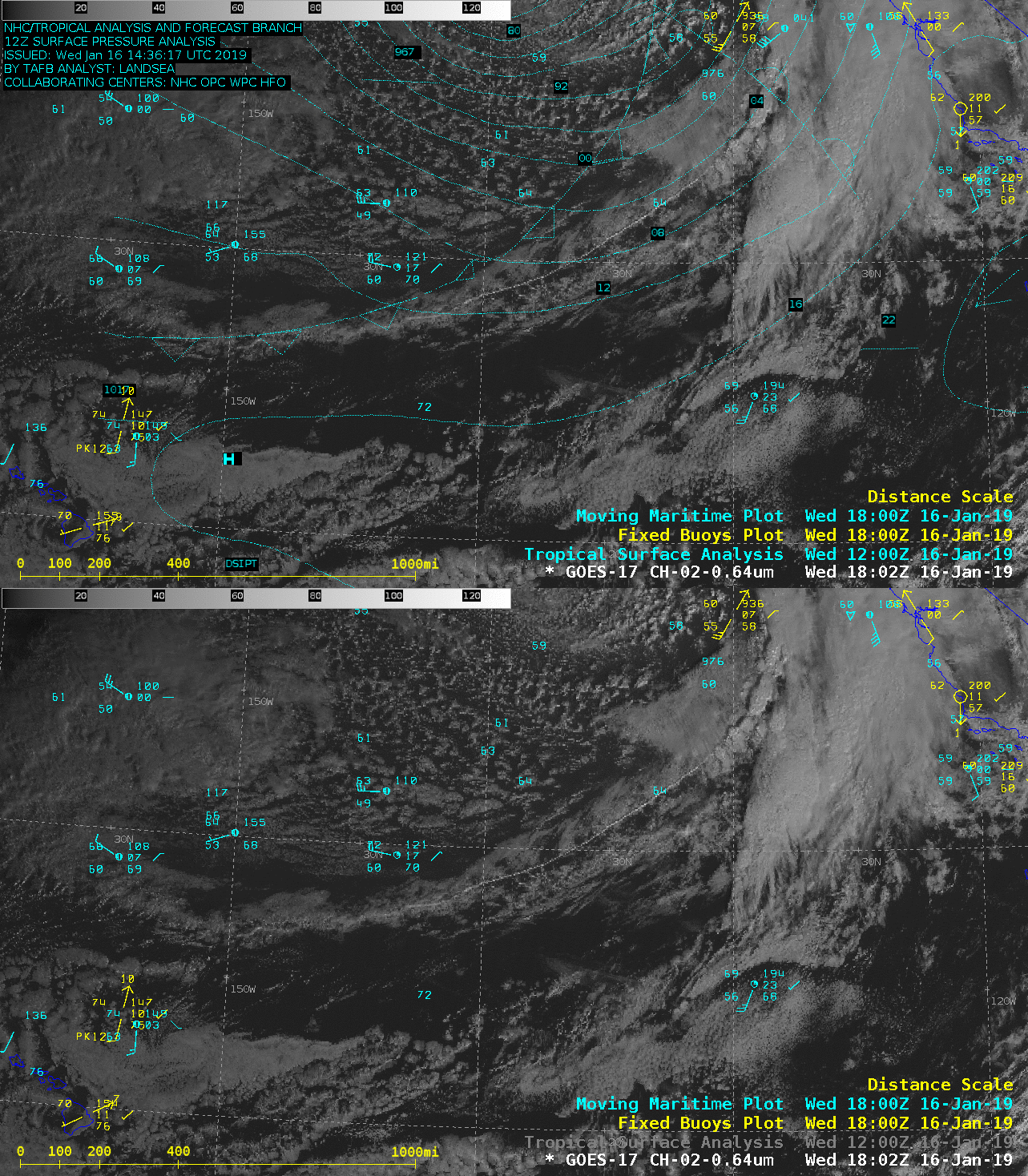
GOES-17 “Red” Visible (0.64 µm) image, with an overlay of the 12 UTC surface analysis [click to enlarge]
* GOES-17 images shown here are preliminary and non-operational *
An 1802 UTC GOES-17 “Red” Visible (0.64 µm) image with an overlay of the 12 UTC surface analysis (above) revealed a well-defined rope cloud which stretched for nearly 1000 miles, marking the cold front position at the time of the image. Rope clouds can therefore be used to diagnose the exact location of the leading edge of a cold frontal boundary between times when surface analyses are available. In this case, the cold front was associated with a Hurricane Force low over the East Pacific Ocean on 16 January 2019 (surface analyses).
![GOES-17 "Red" Visible (0.64 µm) images [click to play animation]](https://cimss.ssec.wisc.edu/satellite-blog/wp-content/uploads/sites/5/2019/01/rope_vis-20190116_180218.png)
GOES-17 “Red” Visible (0.64 µm) images [click to play animation]
An animation of GOES-17 Visible images is shown above, with a zoomed-in version closer to the rope cloud displayed below.
![GOES-17 "Red" Visible (0.64 µm) images [click to play animation]](https://cimss.ssec.wisc.edu/satellite-blog/wp-content/uploads/sites/5/2019/01/rope_vis_zoom-20190116_180218.png)
GOES-17 “Red” Visible (0.64 µm) images [click to play animation]
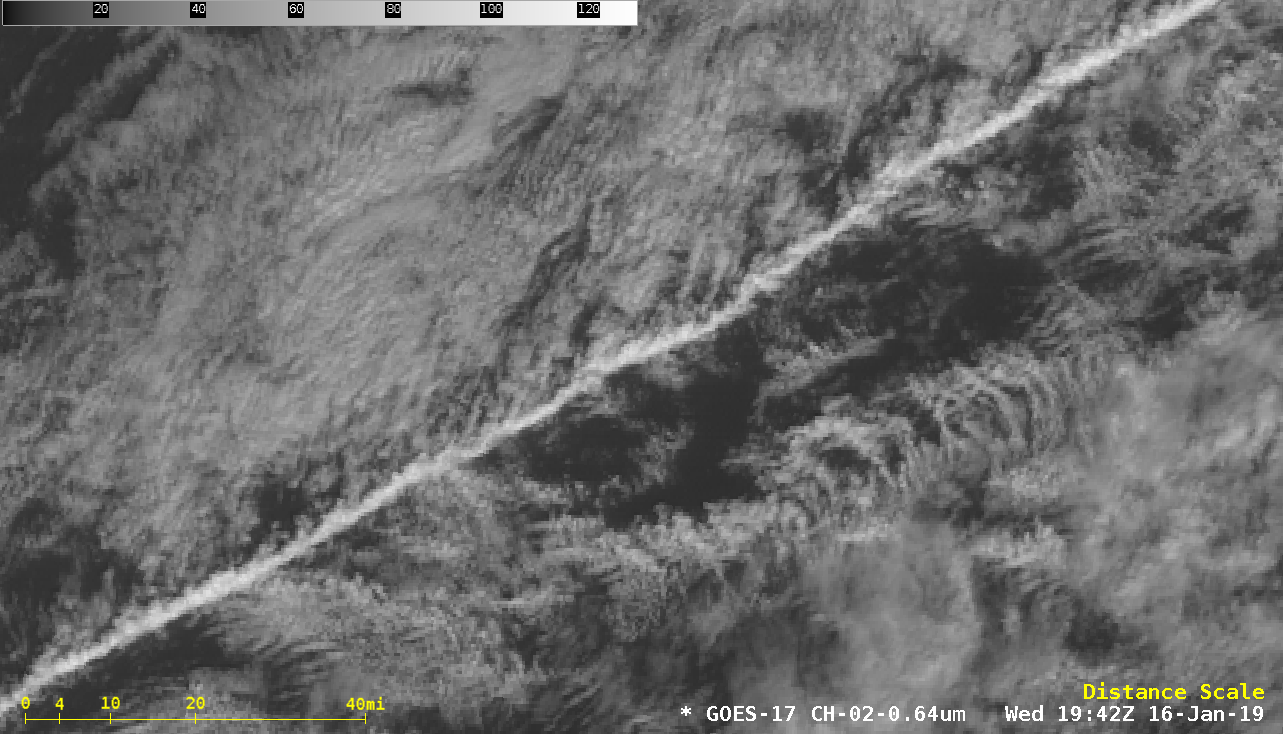
An even closer look
(below) showed that the rope cloud was only about 2-3 miles wide.
![GOES-17 "Red" Visible (0.64 µm) images [click to enlarge]](https://cimss.ssec.wisc.edu/satellite-blog/wp-content/uploads/sites/5/2019/01/rope_zoom2_vis-20190116_194219.png)
GOES-17 “Red” Visible (0.64 µm) images [click to enlarge]
When the 18 UTC surface analysis later became available, a close-up comparison with the 1802 UTC GOES-17 Visible image
(below) indicated that the northern portion of the cold front (as indicated by the rope cloud) was slightly ahead of — and the southern portion slightly behind — the smoothed cold frontal position of the surface analysis product.
![1802 UTC GOES-17 "Red" Visible (0.64 µm) image, with an overlay of the 18 UTC surface analysis [click to enlarge]](https://cimss.ssec.wisc.edu/satellite-blog/wp-content/uploads/sites/5/2019/01/190116_1802utc_goes17_visible_18utc_surface_analysis_anim.gif)
1802 UTC GOES-17 “Red” Visible (0.64 µm) image, with an overlay of the 18 UTC surface analysis [click to enlarge]
![NOAA-15 AVHRR Visible (0.63 µm) and Infrared Window (10.8 µm) images at 1617 UTC [click to enlarge]](https://cimss.ssec.wisc.edu/satellite-blog/wp-content/uploads/sites/5/2019/01/190116_1617utc_noaa15_visible_infrared_Rope_Cloud_anim.gif)
NOAA-15 AVHRR Visible (0.63 µm) and Infrared Window (10.8 µm) images at 1617 UTC [click to enlarge]
1-km resolution AVHRR Visible (0.63 µm) and Infrared Window (10.8 µm) images of the rope cloud were captured by NOAA-15 at 1617 UTC
(above) and by NOAA-18 at 1710 UTC
(below). Along the northeastern portion of the rope cloud, there were a few convective clouds which exhibited cloud-top infrared brightness temperatures as cold as -55 to -60ºC
(darker shades of red) and were tall enough to be casting shadows due to the low morning sun angle.
![NOAA-18 AVHRR Visible (0.63 µm) and Infrared Window (10.8 µm) images [click to enlarge]](https://cimss.ssec.wisc.edu/satellite-blog/wp-content/uploads/sites/5/2019/01/190116_1710utc_noaa18_visible_infrared_Rope_Cloud_anim.gif)
NOAA-18 AVHRR Visible (0.63 µm) and Infrared Window (10.8 µm) images at 1710 UTC [click to enlarge]
===== 17 January Update =====
![GOES-17 True Color RGB images [click to play animation | MP4]](https://cimss.ssec.wisc.edu/satellite-blog/wp-content/uploads/sites/5/2019/01/201901180002_hi.jpg)
GOES-17 True Color RGB images [click to play animation | MP4]
On the following day, another rope cloud (one that was more fractured) was seen moving across Hawai’i as a cold front passed the island of Kaua’i — the southeastward progression of the rope cloud was evident on GOES-17 True Color Red-Green-Blue (RGB) images
(above) from the
UW AOS site.
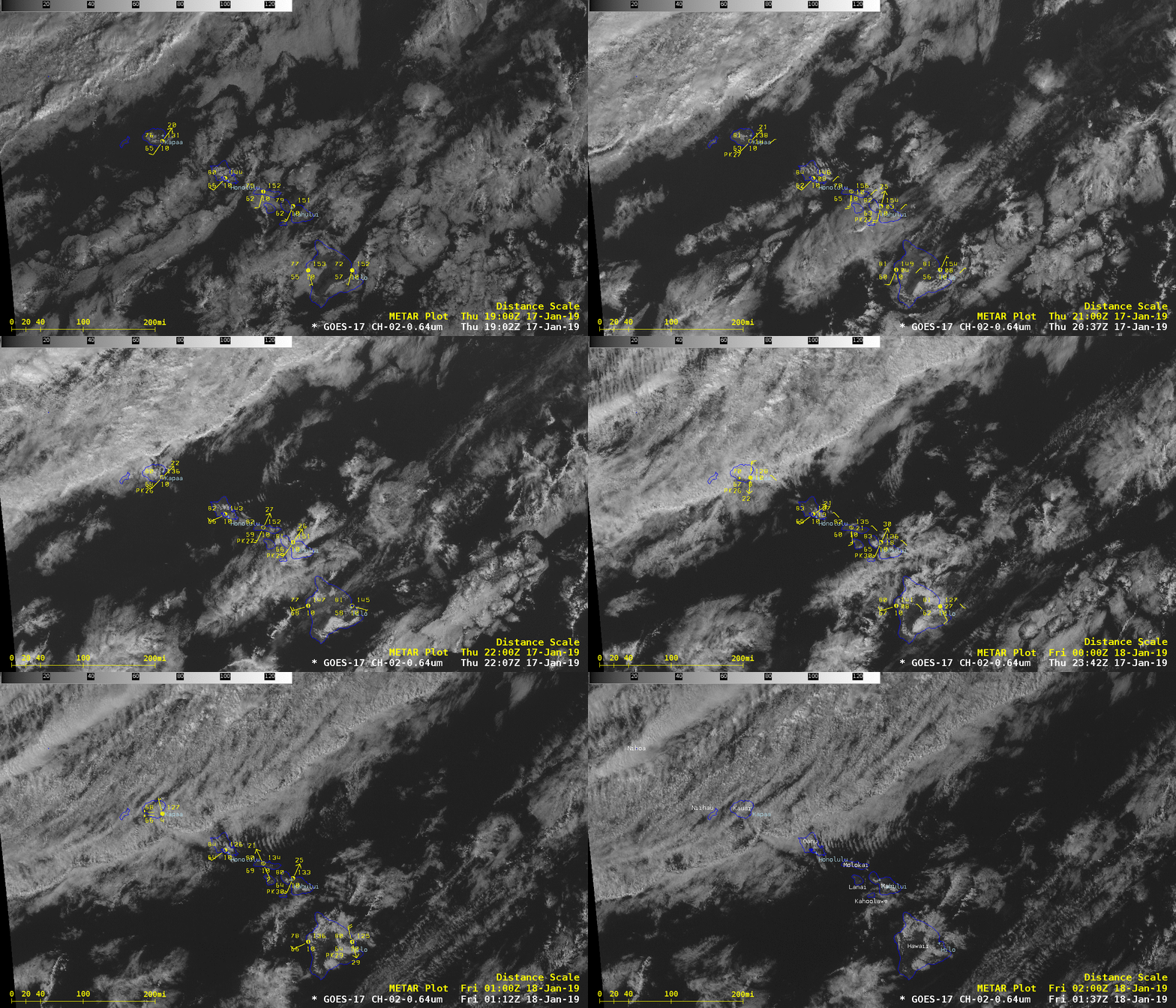
Surface observations plotted on GOES-17 Visible images (below) showed the wind shift from southwest to north as the cold front moved through Lihue on Kauwa’i around 00 UTC.
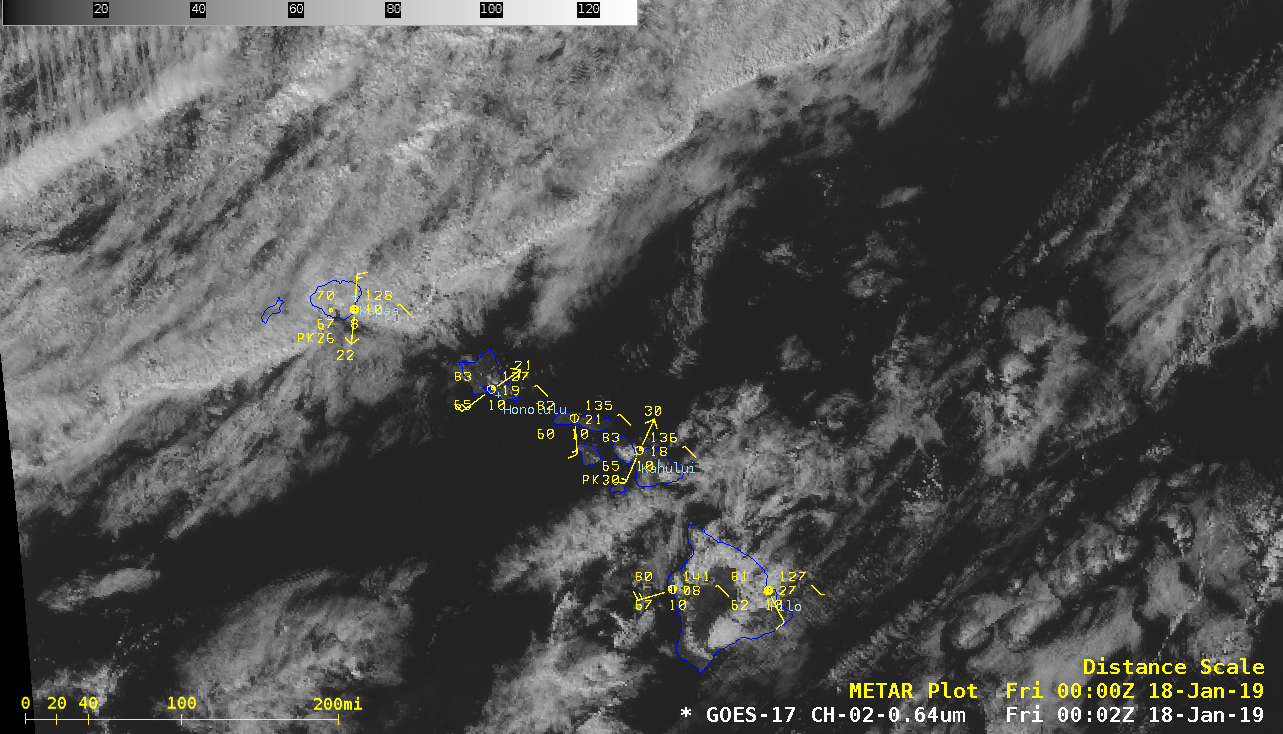
GOES-17 “Red” Visible (0.64 µm) images, with plots of surface reports [click to play animation | MP4]
===== 18 January Update =====
![Suomi NPP VIIRS Day/Night Band (0.7 µm) image, with and without buoy observations [click to enlarge]](https://cimss.ssec.wisc.edu/satellite-blog/wp-content/uploads/sites/5/2019/01/190118_0748utc_suomiNPP_viirs_DayNightBand_Gulf_of_Mexico_rope_cloud_anim.gif)
Suomi NPP VIIRS Day/Night Band (0.7 µm) image, with and without buoy observations [click to enlarge]
Not all rope clouds are associated with cold fronts; with ample illumination from the Moon — in the Waxing Gibbous phase, at 90% of Full — a Suomi NPP VIIRS Day/Night Band (0.7 µm) image
(above) provided a “visible image at night” of a rope cloud in the northern Gulf of Mexico which highlighted a surface wind shift axis.
A sequence of VIIRS Day/Night Band images from NOAA-20 and Suomi NPP (below) showed the movement of the rope cloud during a time span of about 1.5 hours.
![NOAA-20 and Suomi NPP VIIRS Day/Night Band (0.7 µm) images [click to enlarge]](https://cimss.ssec.wisc.edu/satellite-blog/wp-content/uploads/sites/5/2019/01/190118_noaa20_suomiNPP_viirs_dayNightBand_Gulf_of_Mexico_anim.gif)
NOAA-20 and Suomi NPP VIIRS Day/Night Band (0.7 µm) images [click to enlarge]
View only this post
Read Less


![GOES-16 Mid-level Water Vapor (6.9 µm) images, with plots of rawinsonde sites in yellow [click to play animation | MP4]](https://cimss.ssec.wisc.edu/satellite-blog/wp-content/uploads/sites/5/2019/01/190123_goes16_waterVapor_Atlantic_marine_stratocumulus_anim.gif)
![GOES-16 "Red" Visible (0.64 µm) and Near-Infrared "Cirrus" (1.37 µm) images, with plots of rawinsonde sites in yellow [click to play animation | MP4]](https://cimss.ssec.wisc.edu/satellite-blog/wp-content/uploads/sites/5/2019/01/190123_goes16_visible_cirrus_Atlantic_marine_stratocumulus_anim.gif)
![Terra MODIS Visible <em>(0.65 µm)</em> and Near-Infrared "Cirrus" <em>(1.38 µm)</em> images at 1513 UTC, with plots of rawinsonde sites in yellow [click to enlarge]](https://cimss.ssec.wisc.edu/satellite-blog/wp-content/uploads/sites/5/2019/01/190123_1513utc_terra_modis_visible_cirrus_Atlantic_marine_stratocumulus_anim.gif)
![Cross sections of GFS90 model fields along Line I-I', from Charleston, South Carolina to Bermuda [click to enlarge]](https://cimss.ssec.wisc.edu/satellite-blog/wp-content/uploads/sites/5/2019/01/190123_18utc_gfs90_cross_section_KCHS_TXKF_anim.gif)
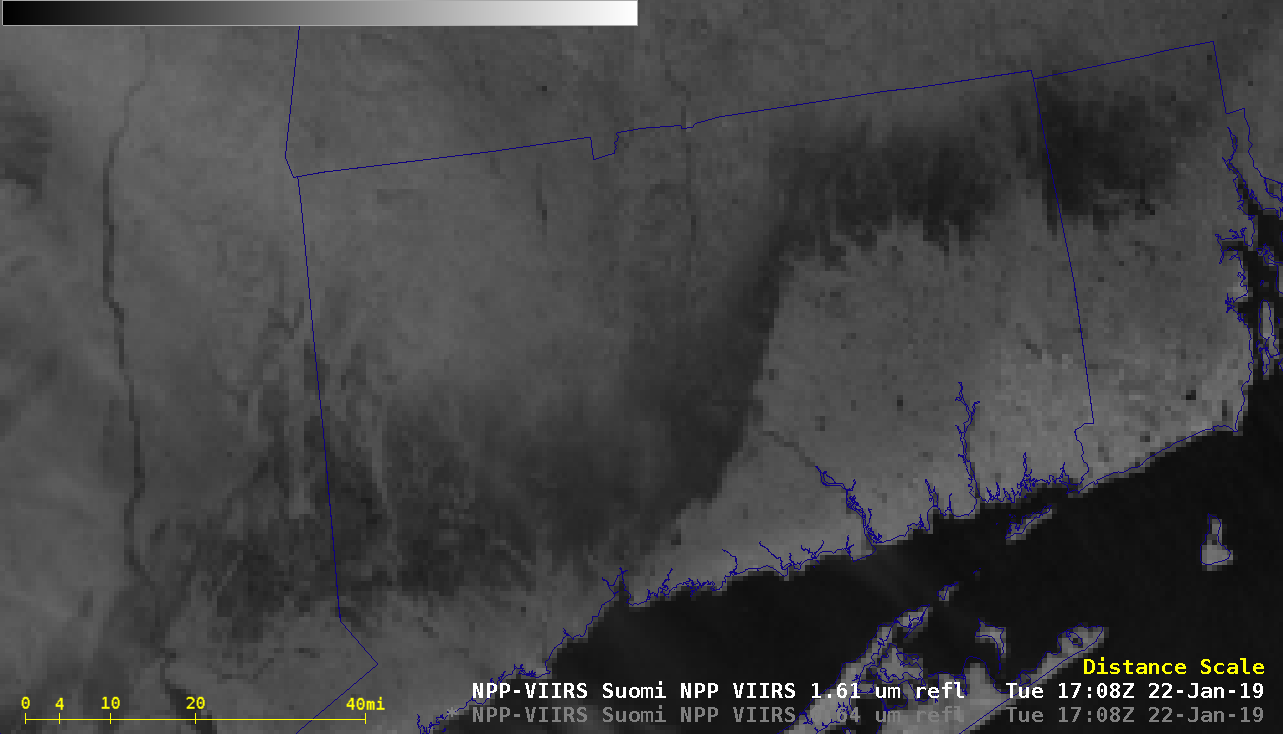
![NOAA-20 VIIRS Visible (0.64 µm) and Near-Infrared "Snow/Ice" (1.61 µm) images [click to enlarge]](https://cimss.ssec.wisc.edu/satellite-blog/wp-content/uploads/sites/5/2019/01/190122_1708utc_noaa20_viirs_visible_snowIce_CT_RI_ice_accretion_anim.gif)
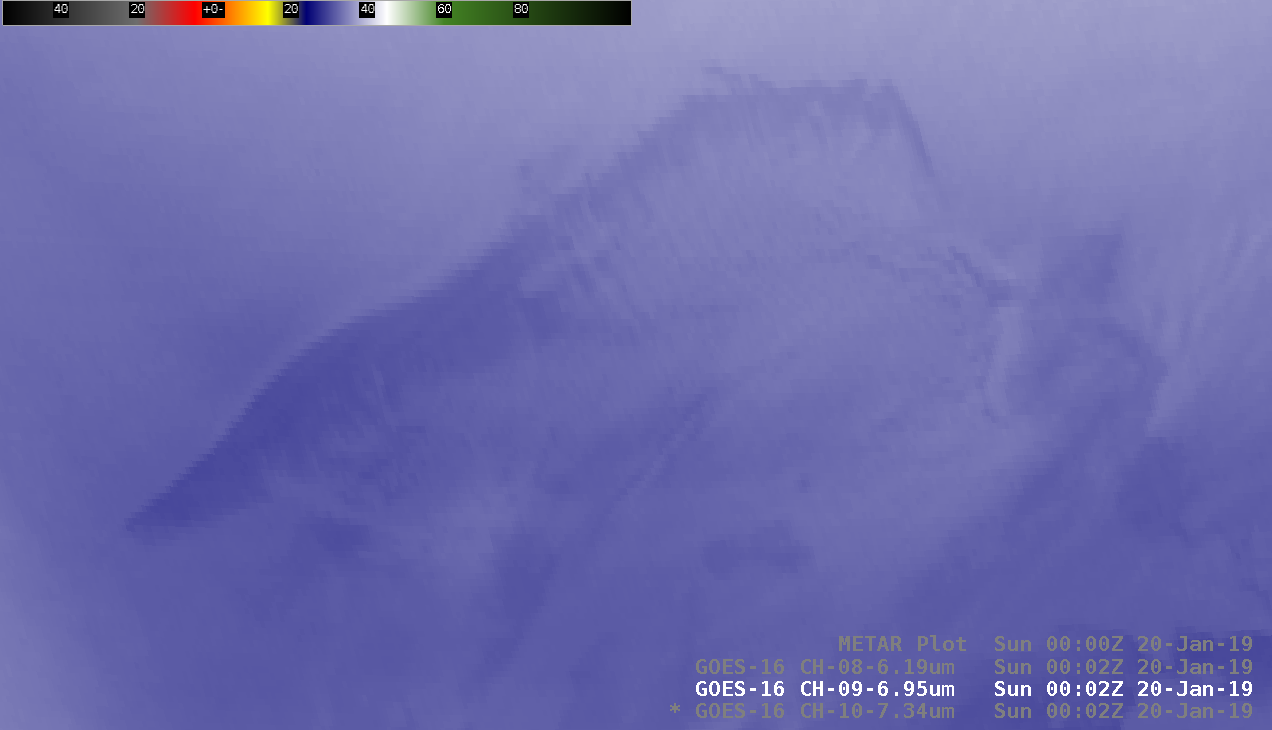
![GOES-17 Low-level Water Vapor (7.3 µm) images, plus topography [click to play animation | MP4]](https://cimss.ssec.wisc.edu/satellite-blog/wp-content/uploads/sites/5/2019/01/190118_goes17_waterVapor_Brooks_Range_AK_anim.gif)
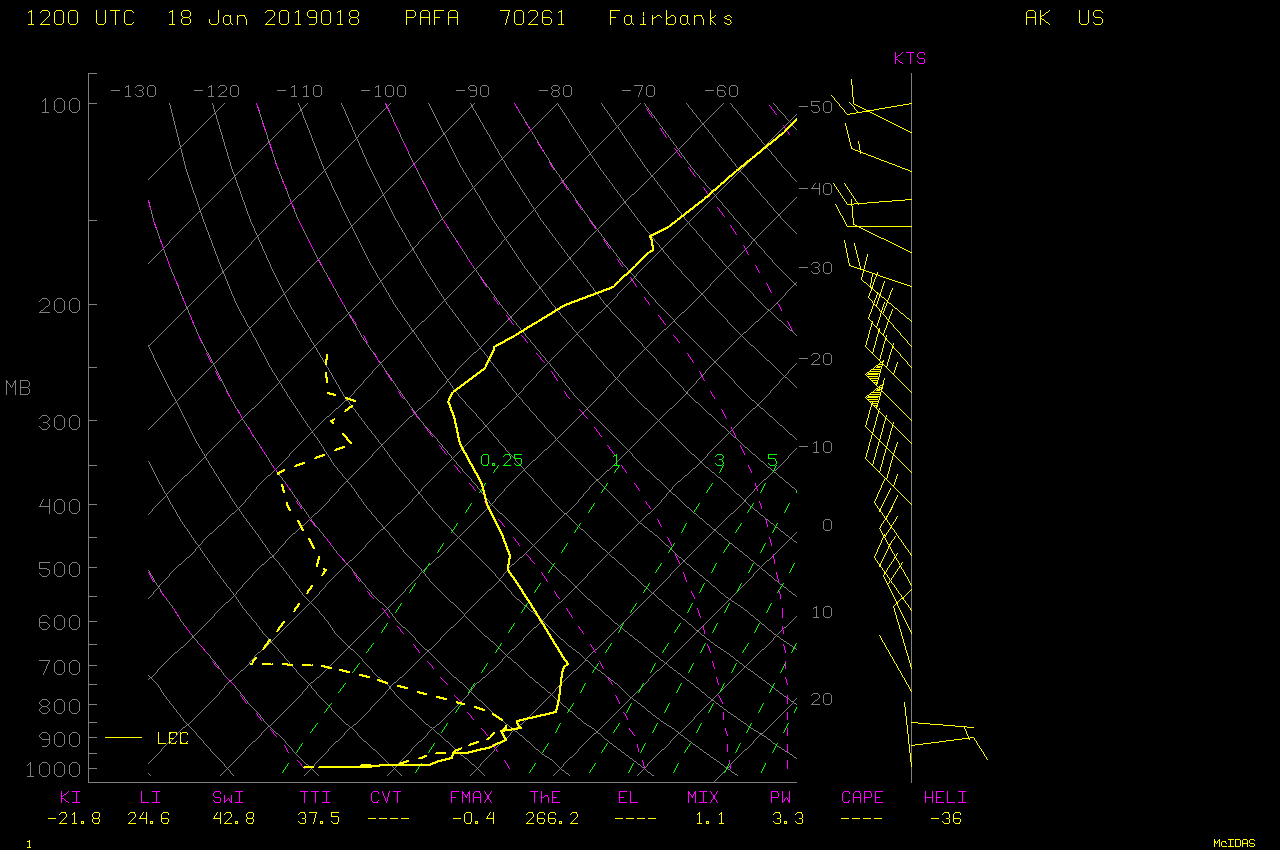
![GOES-17 Water Vapor weighting functions calculated using 12 UTC rawinsonde data from Fairbanks [click to enlarge]](https://cimss.ssec.wisc.edu/satellite-blog/wp-content/uploads/sites/5/2019/01/190118_12utc_pafa_g17_wv_wf.png)
![GOES-16 Low-level (7.3 µm), and Mid-level (6.9 µm) and Upper-level (6.2 µm) Water Vapor images [click to play animation | MP4]](https://cimss.ssec.wisc.edu/satellite-blog/wp-content/uploads/sites/5/2019/01/190119_goes16_waterVapor_Lake_Superior_anim.gif)
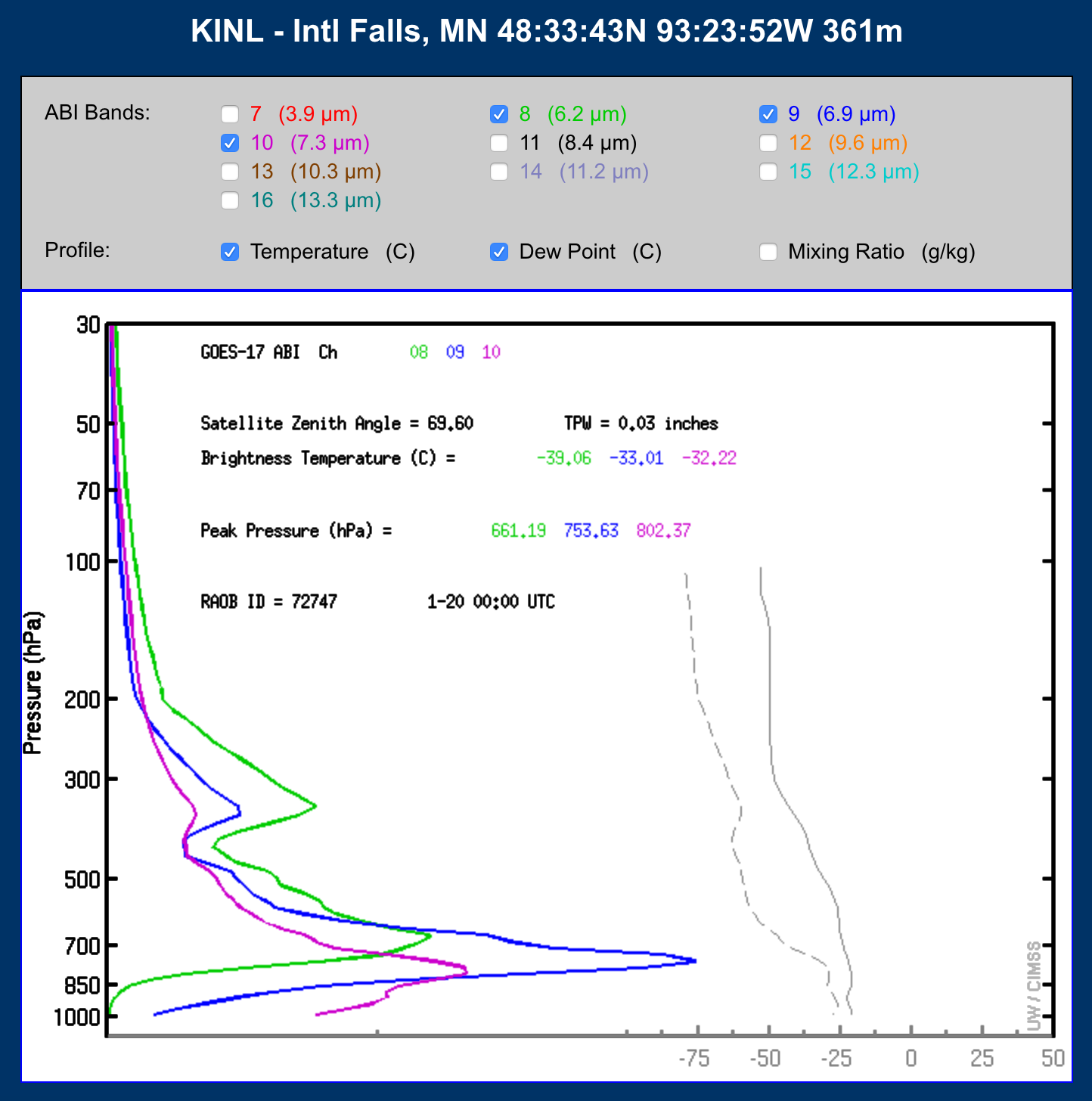
![GOES-16 Low-level (7.3 µm) and Mid-level (6.9 µm) Water Vapor images, with rawinsonde sites plotted in cyan [click to play animation | MP4]](https://cimss.ssec.wisc.edu/satellite-blog/wp-content/uploads/sites/5/2019/01/190121_goes16_waterVapor_EastCoast_dry_air_anim.gif)
![GOES-16 water vapor weighting functions, calculated using 12 UTC rawinsonde data from Greensboro, North Carolina [click to enlarge]](https://cimss.ssec.wisc.edu/satellite-blog/wp-content/uploads/sites/5/2019/01/190121_12utc_kgso_wv_wf.png)
![GOES-16 water vapor weighting functions, calculated using 12 UTC rawinsonde data from Roanoke/Blacksburg, Virginia [click to enlarge]](https://cimss.ssec.wisc.edu/satellite-blog/wp-content/uploads/sites/5/2019/01/190121_12utc_krnk_wv_wf.png)
![GOES-16 water vapor weighting functions, calculated using 12 UTC rawinsonde data from Wallops Island, Virginia [click to enlarge]](https://cimss.ssec.wisc.edu/satellite-blog/wp-content/uploads/sites/5/2019/01/190121_12utc_kwal_wv_wf.png)
![GOES-17 "Red" Visible (0.64 µm) images [click to play animation]](https://cimss.ssec.wisc.edu/satellite-blog/wp-content/uploads/sites/5/2019/01/190116_goes17_visible_East_Pacific_rope_cloud_anim.gif)
![GOES-17 "Red" Visible (0.64 µm) images [click to play animation]](https://cimss.ssec.wisc.edu/satellite-blog/wp-content/uploads/sites/5/2019/01/190116_goes17_visible_East_Pacific_rope_cloud_zoom_anim.gif)
![GOES-17 True Color RGB images [click to play animation | MP4]](https://cimss.ssec.wisc.edu/satellite-blog/wp-content/uploads/sites/5/2019/01/190117_goes17_truecolor_HI_anim.gif)