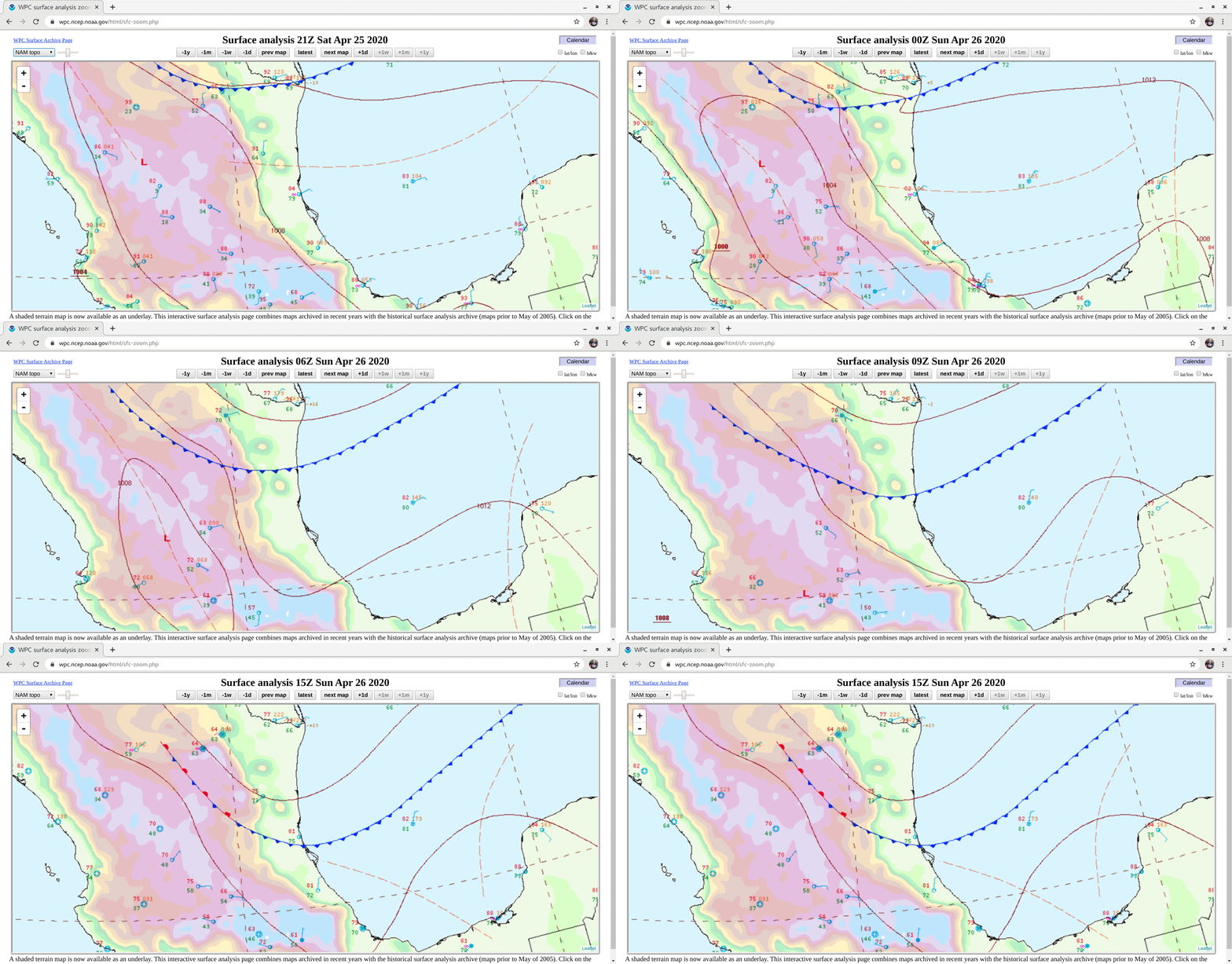
GOES-16 (GOES- East) “Clean” Infrared Window (10.35 µm) images, with and without plots of GLM Groups (above) showed a Mesoscale Convective System (MCS) that was propagating southward across eastern Mexico (in advance of an approaching cold front) from 2001 UTC on 25 April to 1501 UTC on 26 April 2020. The coldest... Read More
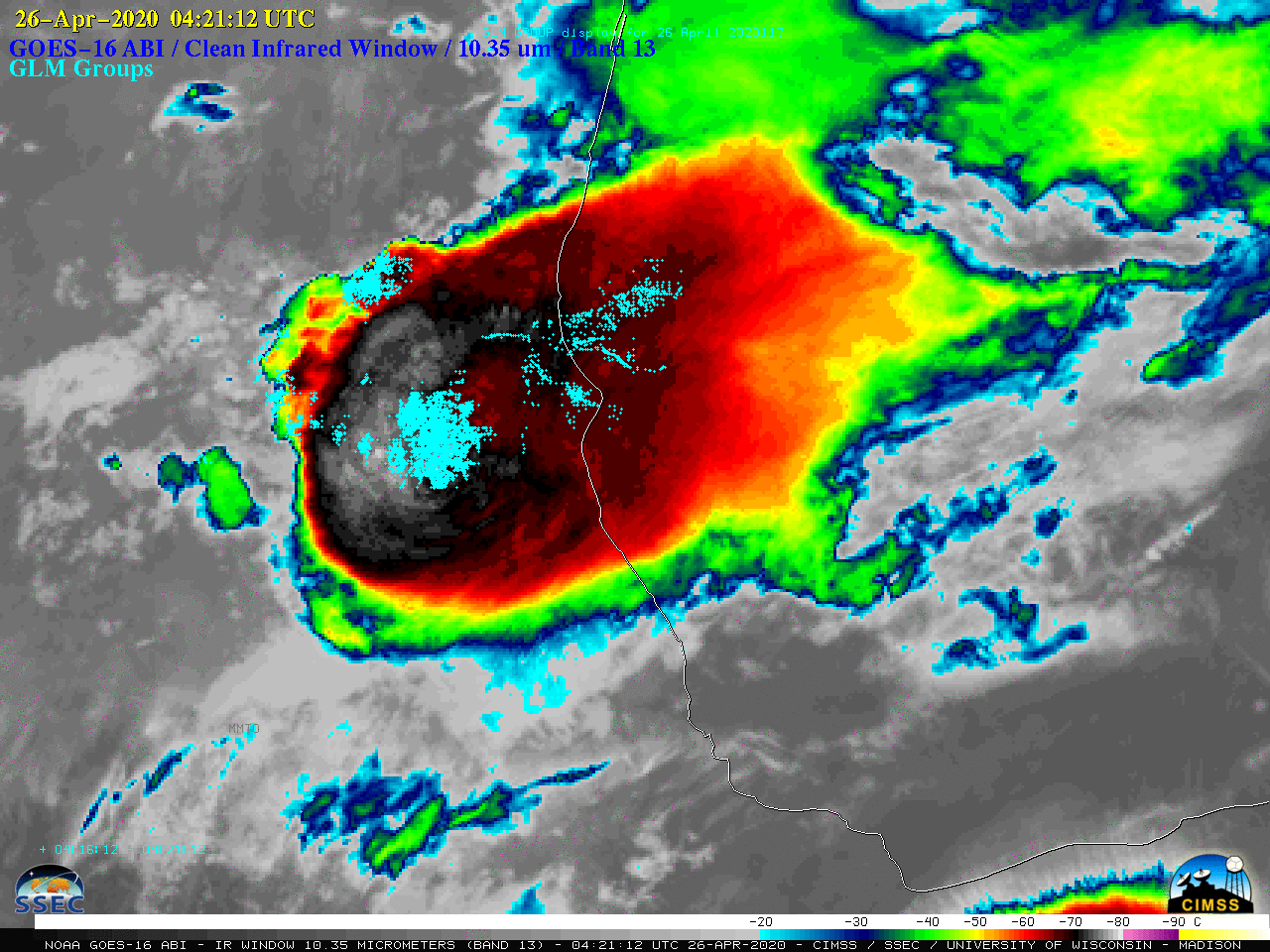
GOES-16 “Clean” Infrared Window (10.35 µm) images, with and without GLM Groups plotted in cyan [click to play animation | MP4]
GOES-16
(GOES- East) “Clean” Infrared Window (
10.35 µm) images, with and without plots of
GLM Groups
(above) showed a Mesoscale Convective System (MCS) that was propagating southward across eastern Mexico (in advance of an approaching
cold front) from 2001 UTC on 25 April to 1501 UTC on 26 April 2020. The coldest cloud-top infrared brightness temperatures were -90ºC
(yellow pixels embedded within dark purple regions). This MCS was prolific lightning-producer — which included numerous anvil streamers that extended well east and northeast of the main convective core
(below).
![GOES-16 "Clean" Infrared Window (10.35 µm) images, with and without GLM Groups plotted in cyan, at 0421 UTC on 26 April [click to enlarge]](https://cimss.ssec.wisc.edu/satellite-blog/images/2020/04/200426_0421utc_goes16_infrared_glmGroups_Mexico_mcs_anim.gif)
GOES-16 “Clean” Infrared Window (10.35 µm) images, with and without GLM Groups plotted in cyan, at 0421 UTC on 26 April [click to enlarge]
A toggle between NOAA-20 VIIRS Infrared Window (11.45 µm) and Day/Night Band (0.7 µm) images at 0841 UTC
(below) also revealed isolated pixels in the overshooting top region with brightness temperatures of -90ºC
(yellow enhancement) — along with numerous bright lightning streaks in the Day/Night Band image, located well east of the convective core (consistent with the
GOES–16 GLM imagery). At that time, the core of the MCS was located just off the coast of Mexico, between Poza Rica (MMPA) and Veracruz (MMVR).
![NOAA-20 VIIRS Infrared Window (11.45 µm) and Day/Night Band (0.7 µm) images at 0841 UTC [click to enlarge]](https://cimss.ssec.wisc.edu/satellite-blog/images/2020/04/200426_0841utc_noaa20_viirs_infrared_dayNightBand_Mexico_mcs_anim.gif)
NOAA-20 VIIRS Infrared Window (11.45 µm) and Day/Night Band (0.7 µm) images at 0841 UTC [click to enlarge]
Plots of
rawinsonde data from Veracruz, Mexico
(below) showed that the coldest tropopause temperatures were -78.1ºC at a pressure level of 103 hPa — so the coldest GOES-16 and NOAA-20 infrared brightness temperatures of -90ºC indicated overshooting tops extending well about the tropopause.
![Plots of rawinsonde data from Veracruz, Mexico [click to enlarge]](https://cimss.ssec.wisc.edu/satellite-blog/images/2020/04/200425_20426_MMVR_RAOBS.GIF)
Plots of rawinsonde data from Veracruz, Mexico [click to enlarge]
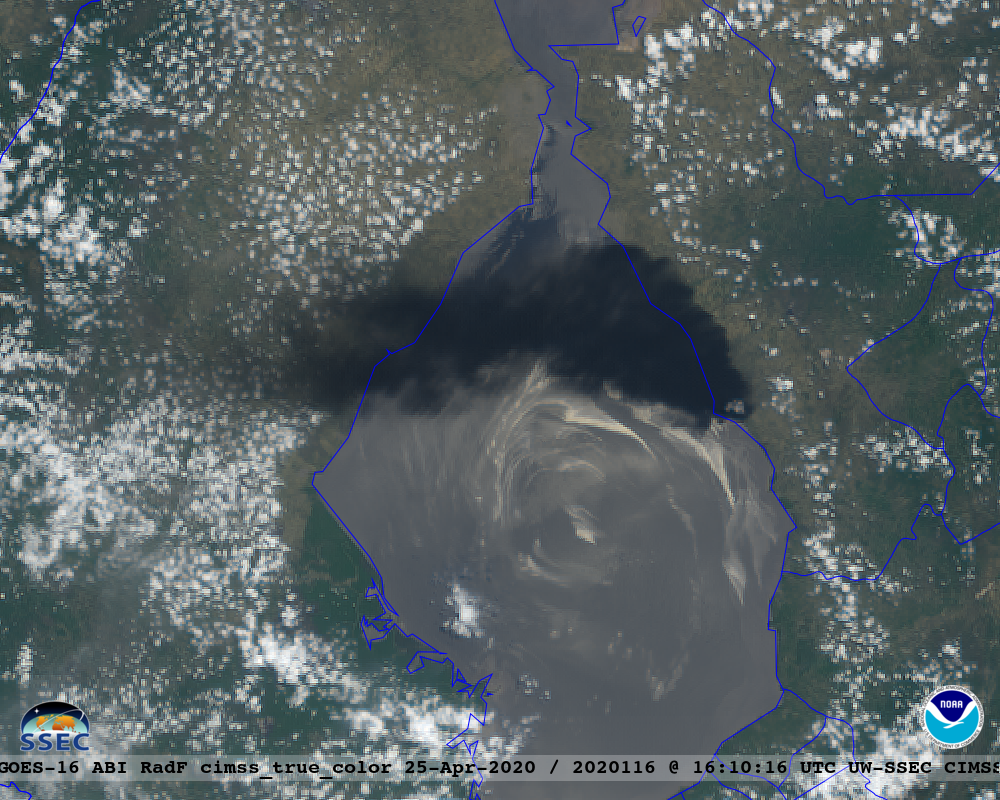
On 25 April, GOES-16 True Color Red-Green-Blue (RGB) images created using
Geo2Grid (below) portrayed a well-defined rope cloud with an undular bore along the cold frontal boundary. Also evident was widespread dense smoke across much of the Gulf of Mexico, a result of prolonged
fire activity in the Yucatan Peninsula of Mexico and parts of Central America.
![GOES-16 True Color RGB images [click to play animation | MP4]](https://cimss.ssec.wisc.edu/satellite-blog/images/2020/04/GOES-16_ABI_RadF_true_color_2020116_132016Z.png)
GOES-16 True Color RGB images [click to play animation | MP4]
View only this post
Read Less



![GOES-16 True Color RGB images [click to play animation | MP4]](https://cimss.ssec.wisc.edu/satellite-blog/images/2020/04/200425_goes16_trueColorRGB_Gulf_of_Mexico_frontal_bore_anim.gif)
![GOES-16 True Color RGB images (credit: Tim Schmit, ASPB/CIMSS) [click to play animation | MP4]](https://cimss.ssec.wisc.edu/satellite-blog/images/2020/04/True_color_loop_Maracaibo.gif)
![VIIRS True Color RGB images from Suomi NPP and NOAA-20 [click to enlarge]](https://cimss.ssec.wisc.edu/satellite-blog/images/2020/04/200425_suomiNPP_noaa20_viirs_trueColorRGB_Venezuela_refinery_fire_anim.gif)
![GOES-16 Shortwave Infrared (3.9 µm) images (credit: Tim Schmit, ASPB/CIMSS) [click to play animation | MP4]](https://cimss.ssec.wisc.edu/satellite-blog/images/2020/04/MARACAIBO_loop_2020116_100016_2020116_205015.gif)
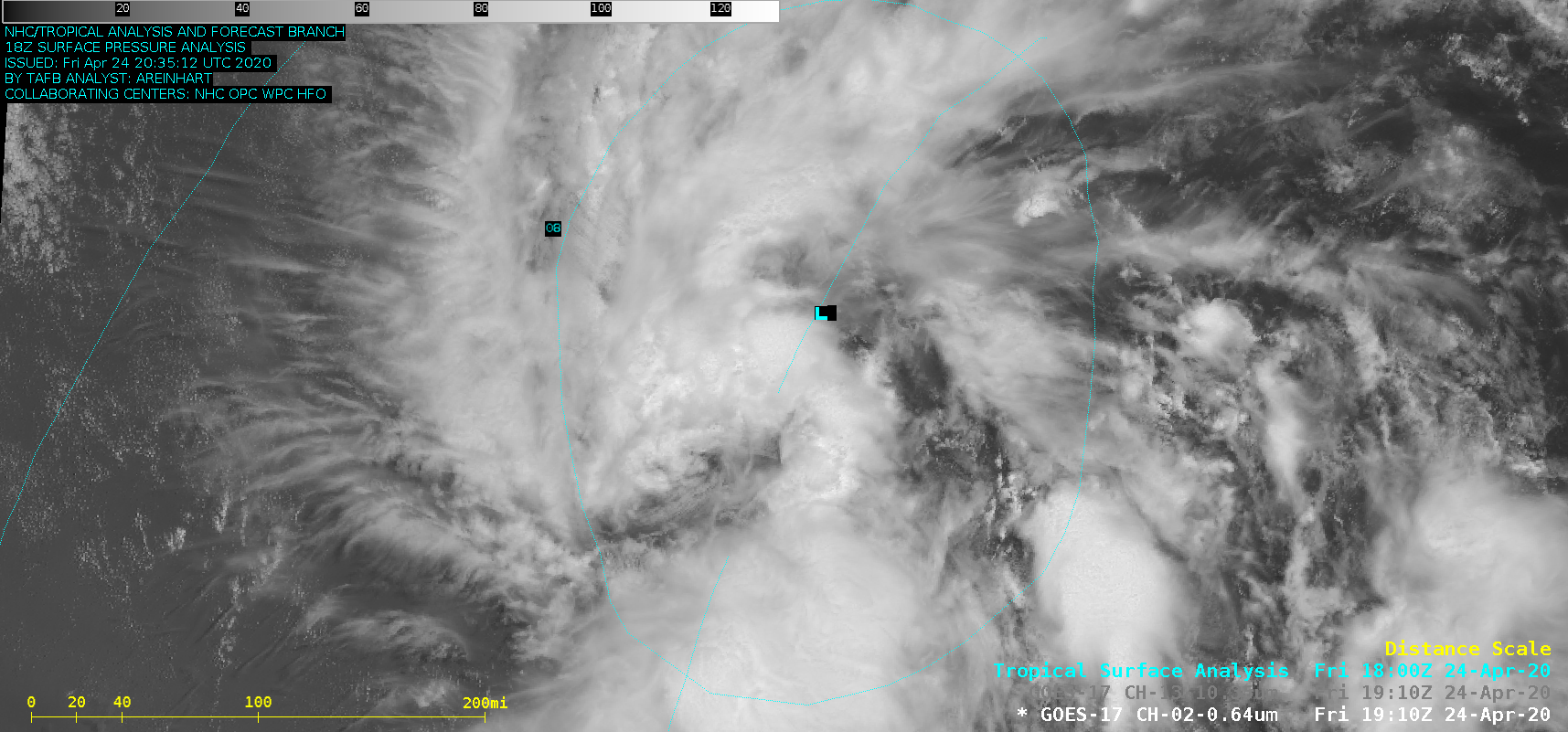
![GOES-17 “Red” Visible (0.64 µm) and “Clean” Infrared Window (10.35 µm) images [click to play animation | MP4]](https://cimss.ssec.wisc.edu/satellite-blog/images/2020/04/200424_goes17_visible_infrared_East_Pacific_Invest90E_anim.gif)
![GOES-17 “Red” Visible (0.64 µm) with a plot of Deep-Layer Wind Shear at 23 UTC images [click to enlarge]](https://cimss.ssec.wisc.edu/satellite-blog/images/2020/04/200424_23utc_goes17_visible_shear_Invest90E_anim.gif)
![VIIRS True Color RGB and Infrared Window (11.45 µm) images from NOAA-20 and Suomi NPP [click to enlarge]](https://cimss.ssec.wisc.edu/satellite-blog/images/2020/04/200424_noaa20_suomiNPP_trueColorRGB_infraredWindow_East_Pacific_Invest90E_anim.gif)
![GOES-17 “Clean” Infrared Window (10.35 µm) images [click to play animation | MP4]](https://cimss.ssec.wisc.edu/satellite-blog/images/2020/04/200425_goes17_infrared_Tropical_Depression_One_anim.gif)
![GOES-17 “Clean” Infrared Window (10.35 µm) images [click to play animation | MP4]](https://cimss.ssec.wisc.edu/satellite-blog/images/2020/04/200425_goes17_infrared_surfaceAnalysis_TD_One_anim.gif)
![MIMIC Total Precipitable Water product [click to enlarge]](https://cimss.ssec.wisc.edu/satellite-blog/images/2020/04/200424_200425_mimicTPW_East_Pacific_anim.gif)
![GOES-17 “Red” Visible (0.64 µm) images [click to play animation | MP4]](https://cimss.ssec.wisc.edu/satellite-blog/images/2020/04/200425_goes17_visible_Tropical_Depression_One_anim.gif)