
Vegetation across Southern California
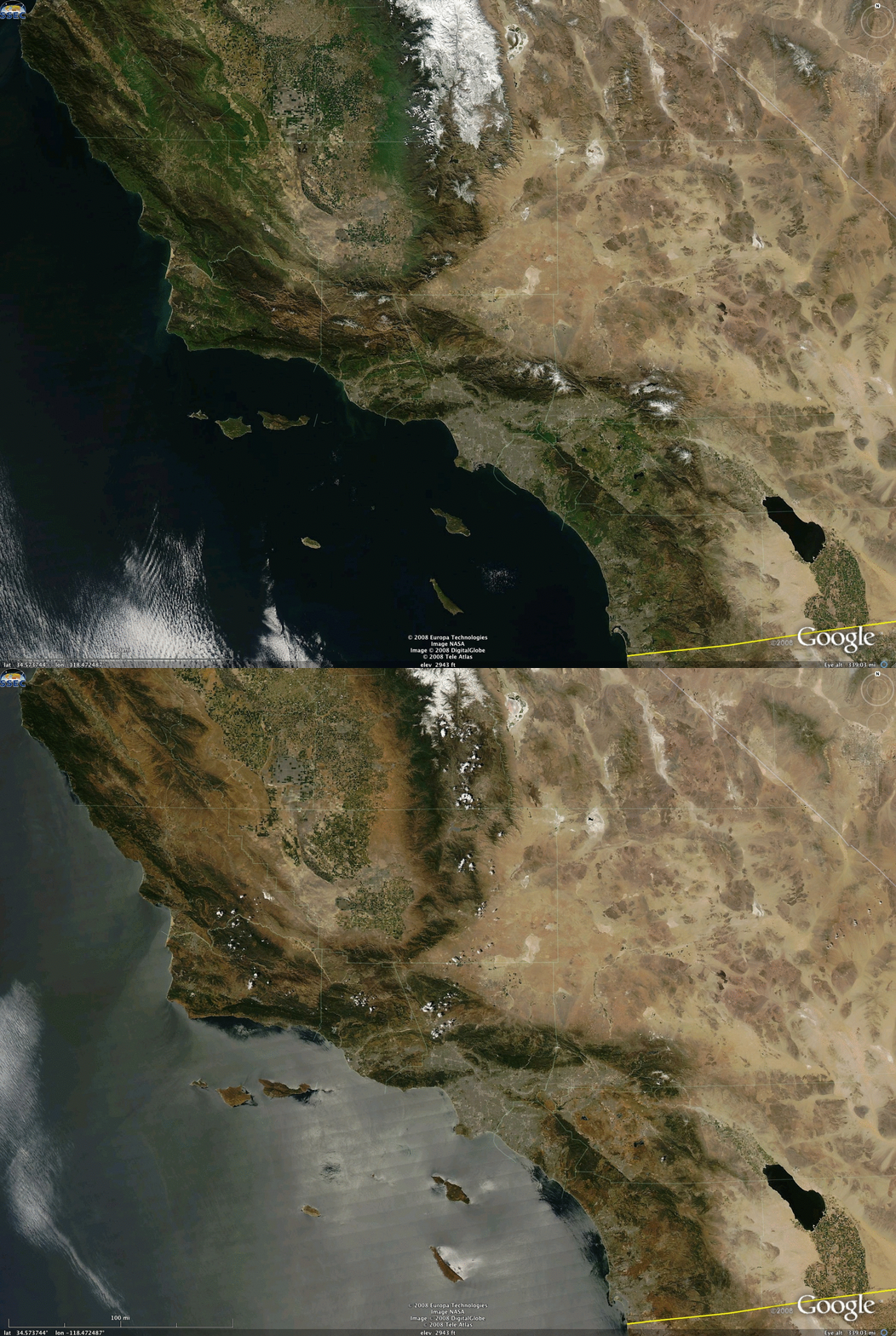
A comparison of Aqua MODIS true color images from 05 March 2008 and 17 May 2008 (above) showed the “browning” of vegetation across Southern California after the Spring season rains (90-day total rainfall | 90-day percent of normal rainfall) had ended. A significant amount of snowmelt was also evident during that period over the southern Sierra Nevada mountains (as well as over the higher elevations of smaller ranges such as the San Gabriel, San Bernardino, and San Jacinto Mountains). The images (courtesy of Liam Gumley, CIMSS) were created in Google Earth using publicly available data from the SSEC MODIS Today website.
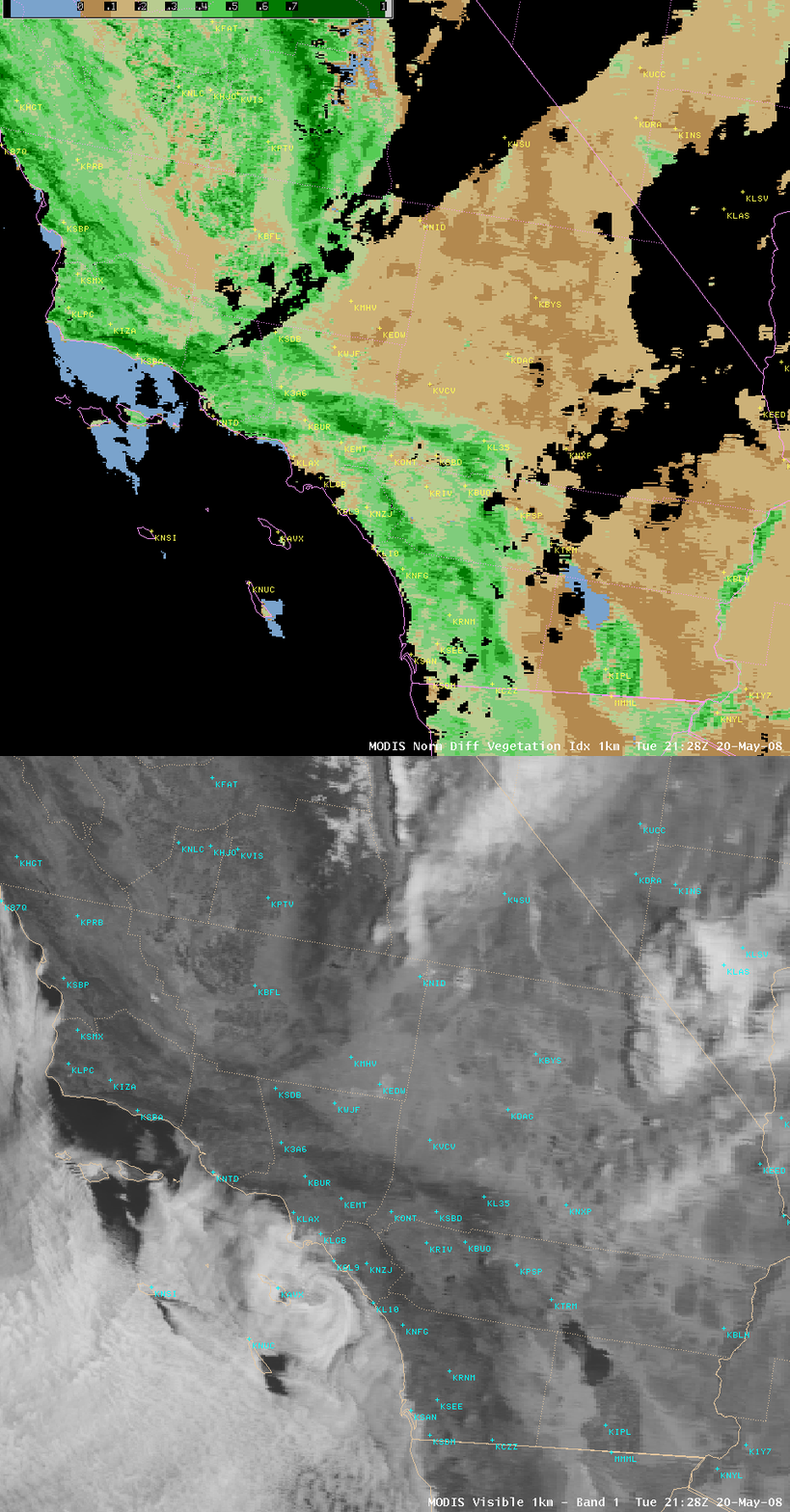
Even though the MODIS true color images above suggested an overall dry-down of the vegetation across the region, a comparison of AWIPS images of the MODIS Normalized Difference Vegetation Index (NDVI) and visible channel (below) indicated that many areas of southern California still exhibited a NDVI value as high as 0.5-0.6 on 20 May 2008. A National Public Radio story pointed out that the rapid growth of non-native plant species across parts of southern California could actually be a warning sign of an increased potential for future wildfire activity (once that vegetation continued to dry out over the upcoming Summer and Fall months).